Uncovering How Acoustic Elements Shape Player Immersion in Modern Reel-Based Platforms
Jakob Vogel · May 21, 2026

Uncovering How Acoustic Elements Shape Player Immersion in Modern Reel-Based Platforms
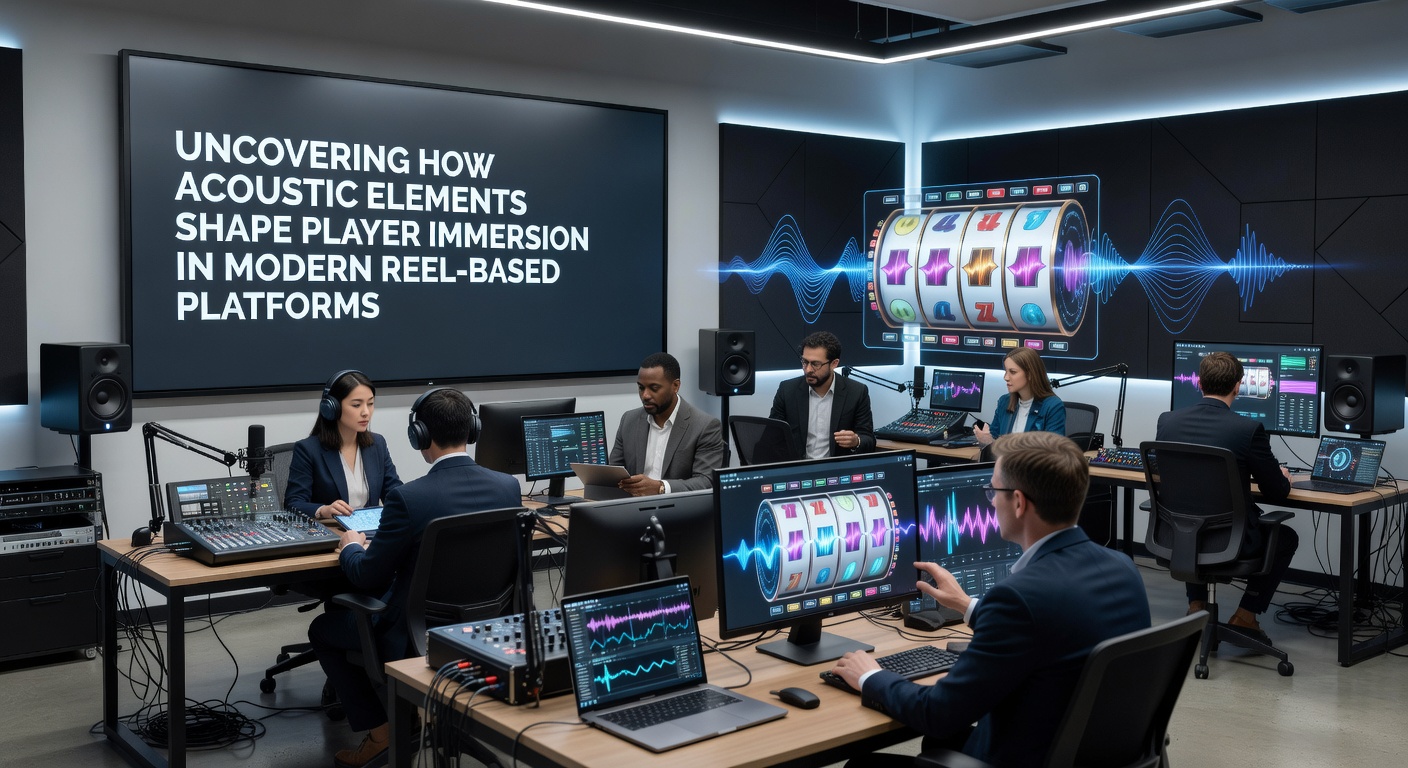
Modern reel-based platforms rely on carefully engineered soundscapes to draw players deeper into each spin, and acoustic design has evolved far beyond simple chimes and buzzers into layered audio systems that respond dynamically to game events. Researchers at institutions tracking gaming technology note that these elements work together with visual cues to create sustained engagement across both land-based machines and digital interfaces. Data from industry reports show that operators have invested heavily in audio upgrades since the mid-2020s, aiming to match the sophistication of other entertainment sectors.
Core Components of Slot Audio Design
Reel spin sounds form the foundation, typically featuring low-frequency rumbles that accelerate and decelerate in sync with mechanical motion, while higher-pitched clicks mark each symbol landing. Win sequences layer multiple elements including ascending melodic phrases, percussive hits, and ambient swells that build over several seconds depending on payout size. Background music loops often incorporate subtle variations in tempo and instrumentation that shift during bonus rounds or near-miss moments, creating a sense of progression without breaking immersion. Observers at recent trade shows have documented how these components integrate with haptic feedback on newer cabinets to reinforce the overall sensory package.
Psychological Mechanisms at Play
Studies on auditory perception in gaming environments indicate that certain frequency ranges trigger dopamine responses more effectively than others, particularly in the 200 to 800 Hz band commonly used for celebratory chimes. Adaptive audio systems adjust volume and intensity based on player session length, with data logs revealing that many platforms reduce ambient noise during extended play to maintain focus while amplifying reward sounds. Those who have analyzed player behavior patterns note that near-miss audio cues, short tonal stabs that mimic almost-wins, appear at calculated intervals to sustain attention without crossing into overt manipulation. In May 2026 several manufacturers introduced spatial audio options that pan sounds across multiple speakers, allowing players seated at the machine to experience directional effects as symbols align from left to right.
Land-Based Versus Online Reel Experiences
Physical cabinets benefit from powerful subwoofers and surround configurations that fill the immediate area around the player, whereas online platforms simulate these effects through stereo headphones or device speakers with algorithmic processing. Industry analyses reveal that mobile versions increasingly incorporate device-specific audio profiles, scaling reverb and compression to match smaller output hardware. Cross-platform titles maintain consistent sonic identities by using the same core sound libraries, yet adapt layering density according to whether the session occurs in a noisy casino floor or a quiet home setting. Operators report that players who switch between formats often comment on how the absence of physical acoustics changes their perception of game pace.
Recent Technological Shifts and Data Trends
According to research compiled by the International Gaming Institute at UNLV, audio customization features have appeared in over 60 percent of new reel titles released in early 2026. These options allow players to toggle individual sound layers or select themed music packs that align with game narratives. Real-time analytics platforms now track which audio events correlate with longer session durations, feeding that information back into iterative design cycles. One documented case involved a major developer adjusting reel-stop sounds after telemetry showed higher retention when the final click carried a slight metallic resonance rather than a soft thud.
Regulatory and Standards Context
Gaming laboratories in multiple jurisdictions require audio testing as part of certification, checking for clarity, volume limits, and absence of disruptive frequencies that could affect adjacent machines. Reports from the Australian Gambling Research Centre highlight ongoing work to standardize how sound levels are measured across different cabinet models, ensuring consistency for both players and venue staff. These evaluations also examine whether certain celebratory sequences exceed recommended thresholds during peak hours on crowded floors. Developers incorporate these guidelines early in the production pipeline, balancing creative goals with compliance requirements.
Future Directions in Acoustic Integration
Emerging prototypes demonstrated at spring 2026 expos incorporate biofeedback loops that subtly alter music intensity based on detected heart-rate variations from wearable devices, though widespread adoption remains limited. Machine learning models trained on large datasets of player interactions continue to refine which combinations of melody and rhythm sustain attention most effectively across demographic groups. Observers expect continued refinement of these systems as hardware capabilities expand, particularly in portable and virtual-reality-adjacent reel formats. The interplay between acoustic design and other sensory channels remains a central focus for engineers seeking to deepen engagement without relying solely on visual spectacle.
Conclusion
Acoustic elements in contemporary reel-based platforms function as an integrated system rather than isolated effects, with each layer calibrated to support the overall flow of play. Data collected across markets demonstrate measurable links between audio sophistication and session metrics, while regulatory frameworks ensure these tools operate within established boundaries. As platforms evolve through 2026 and beyond, sound design will likely remain a primary lever for creating distinctive and repeatable player experiences across both physical and digital environments.