Sensor Tech in Roulette Wheels: Real-Time Data Feeds Reshaping Floor Management at International Resorts
Drew Butler · Aug 25, 2026
Sensor Tech in Roulette Wheels: Real-Time Data Feeds Reshaping Floor Management at International Resorts
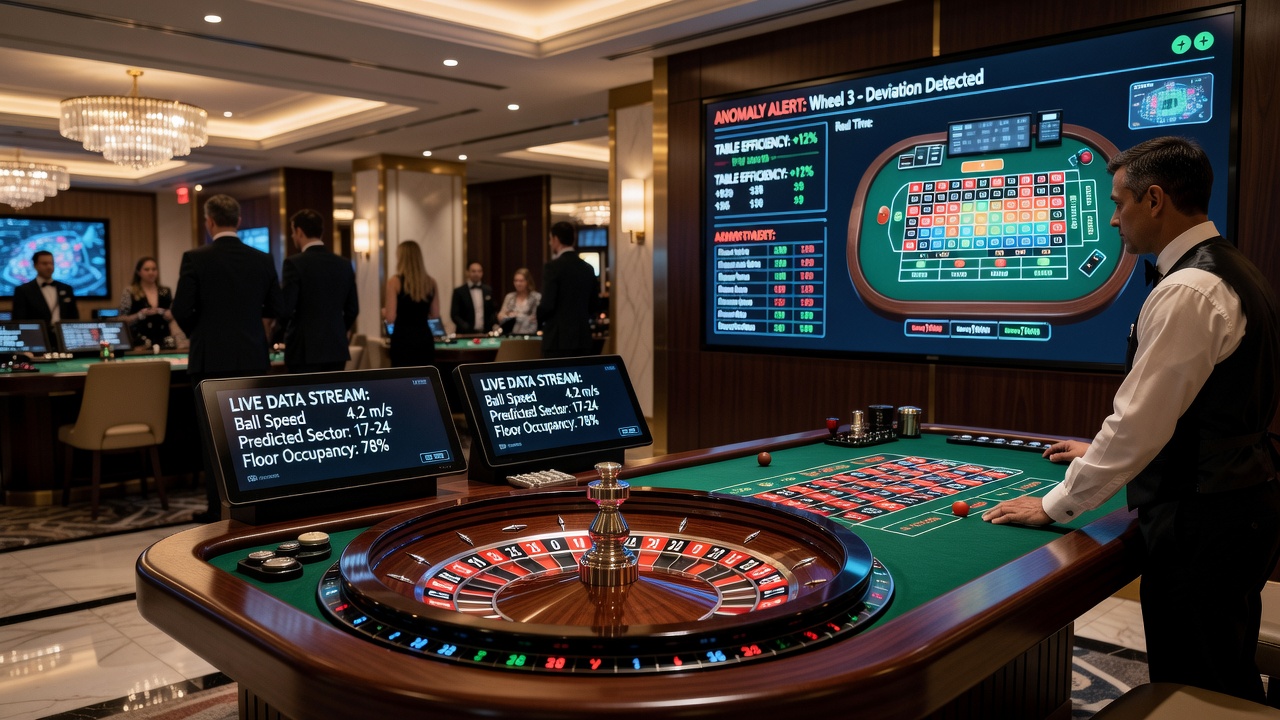
Modern roulette wheels now incorporate multiple sensor arrays that capture ball velocity, wheel rotation, and landing positions in milliseconds, then route that information through secure networks to centralized floor management platforms at resorts worldwide. These systems combine optical readers, accelerometers, and RFID tags to generate continuous data streams, which operators use to adjust staffing levels, monitor equipment performance, and coordinate table rotations across large gaming floors.
Core Components of Wheel Sensor Systems
Each modified wheel contains infrared emitters and receivers positioned around the track, while micro-sensors embedded in the rotor track angular speed and detect any deviation from baseline patterns. Data packets travel via encrypted wireless links to servers that timestamp every spin and cross-reference outcomes against historical distributions for that specific table. Technicians at properties in Macau and Las Vegas report that these feeds update every 1.2 seconds on average, allowing supervisors to view live dashboards that flag tables with extended idle periods or unusual ball behavior.
Integration with existing casino management software means floor managers receive automated alerts when wheel temperatures rise above thresholds or when deceleration rates fall outside established norms. One installation at a Singapore integrated resort completed in early 2025 demonstrated how these alerts reduced unplanned maintenance downtime by routing technicians to tables before minor issues escalated. Observers note that the same data also supports predictive scheduling, matching dealer shifts to projected table demand based on real-time occupancy metrics.
Impact on Staffing and Table Utilization
Real-time feeds allow operations teams to redistribute personnel across roulette sections without waiting for manual counts. At several European resorts, algorithms analyze spin frequency alongside player density readings from overhead cameras, then recommend opening or closing additional wheels during peak hours. Data collected through August 2026 at properties in Australia and Canada shows average table utilization rates increased when managers acted on these automated suggestions rather than relying solely on periodic visual inspections.
Because each wheel transmits its status independently, supervisors can identify underperforming tables quickly and shift high-volume action to adjacent stations. This approach minimizes guest wait times and keeps revenue-generating positions active longer. Resorts that adopted the technology early have documented smoother transitions between day and night shifts, since the system flags tables that require immediate attention before the next dealer rotation begins.

Regulatory Compliance and Data Handling
Gaming authorities in multiple jurisdictions require that sensor-derived records remain accessible for audit periods ranging from 90 days to seven years. The Nevada Gaming Control Board updated its technical standards in 2025 to specify encryption protocols and data retention formats for wheel telemetry. Similar guidelines from Singapore's Casino Regulatory Authority emphasize that outcome data must remain segregated from any player identification systems to maintain privacy boundaries.
International resort operators coordinate with these bodies through regular submission portals that accept standardized reports generated directly from the sensor networks. Technicians calibrate wheels quarterly using certified equipment, and the resulting calibration logs feed into the same central repository. This process ensures that any deviation detected during live operation triggers both an immediate floor alert and a compliance notification to the relevant oversight agency.
Cross-Resort Data Sharing and Maintenance Networks
Some multinational operators now pool anonymized performance metrics from wheels across multiple properties to identify manufacturing trends or environmental factors that affect longevity. A joint project involving resorts in the United States and Macau produced a shared database that flags component batches showing accelerated wear. Maintenance crews receive prioritized work orders based on these aggregated insights, which has shortened average repair cycles at participating locations.
Because the data travels through private networks rather than public internet channels, latency remains low enough for near-instantaneous updates during live gaming. Engineers continue to refine power management for the embedded sensors so that battery replacements occur less frequently, reducing service interruptions on busy tables.
Conclusion
Sensor integration in roulette wheels supplies continuous, verifiable information that supports precise floor decisions at international resorts. From staffing adjustments and equipment monitoring to regulatory reporting, the real-time feeds have become embedded in daily operations across multiple continents. As more properties complete installations through 2026 and beyond, the same underlying architecture continues to expand its role in coordinating complex gaming environments.