Pioneering Methods for Verifying Authenticity in Collectible Poker Chip Sets Through Advanced Imaging Techniques
Drew Butler · Jul 14, 2026
Pioneering Methods for Verifying Authenticity in Collectible Poker Chip Sets Through Advanced Imaging Techniques
Collectible poker chip sets have grown into a specialized market where provenance and material integrity determine value, and collectors along with dealers now rely on imaging technologies that go far beyond visual inspection or basic weighing. Traditional methods such as edge spot counting and basic ultraviolet light checks still serve as initial filters, yet they leave gaps that sophisticated counterfeiting operations exploit through high-quality replicas made from similar clays and plastics.
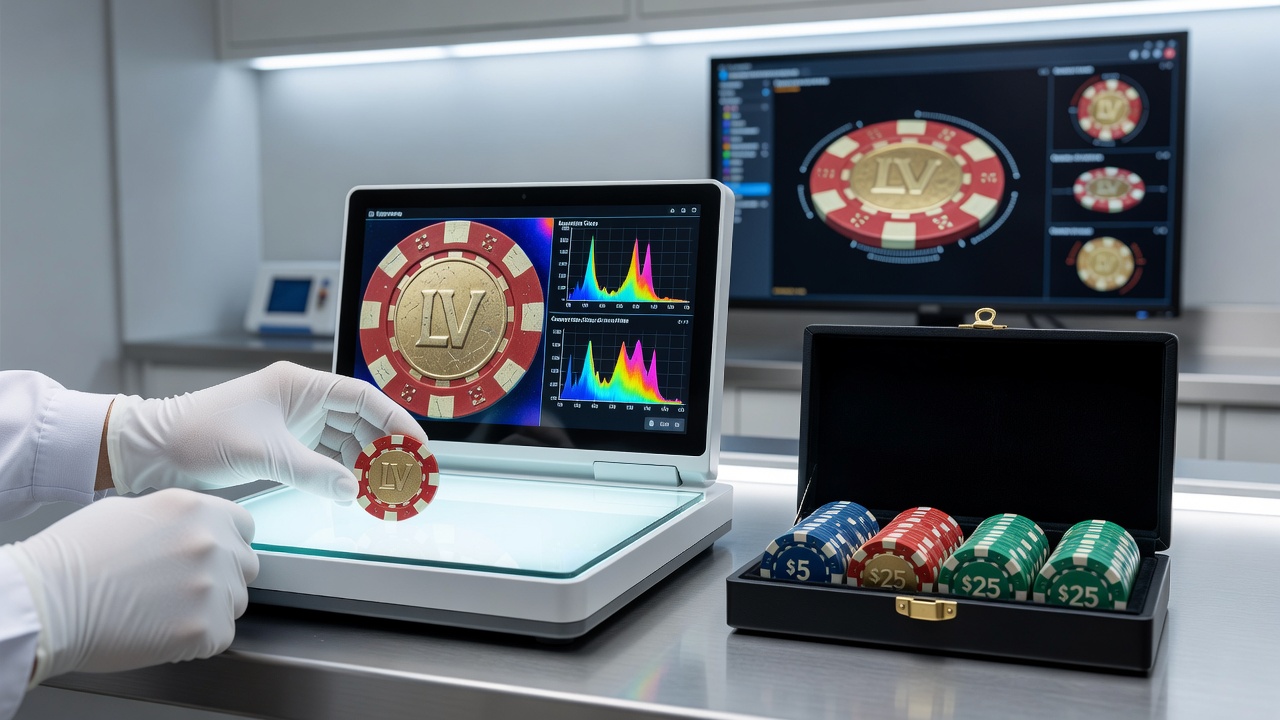
Advanced imaging steps in to close those gaps by revealing subsurface structures, chemical compositions, and microscopic manufacturing marks that remain invisible to the naked eye. Researchers at forensic laboratories have documented how multispectral imaging captures data across dozens of wavelengths, allowing analysts to map pigment distributions and binder materials in chip inlays with precision that exposes inconsistencies in fakes produced even in well-equipped workshops.
Core Imaging Technologies in Use
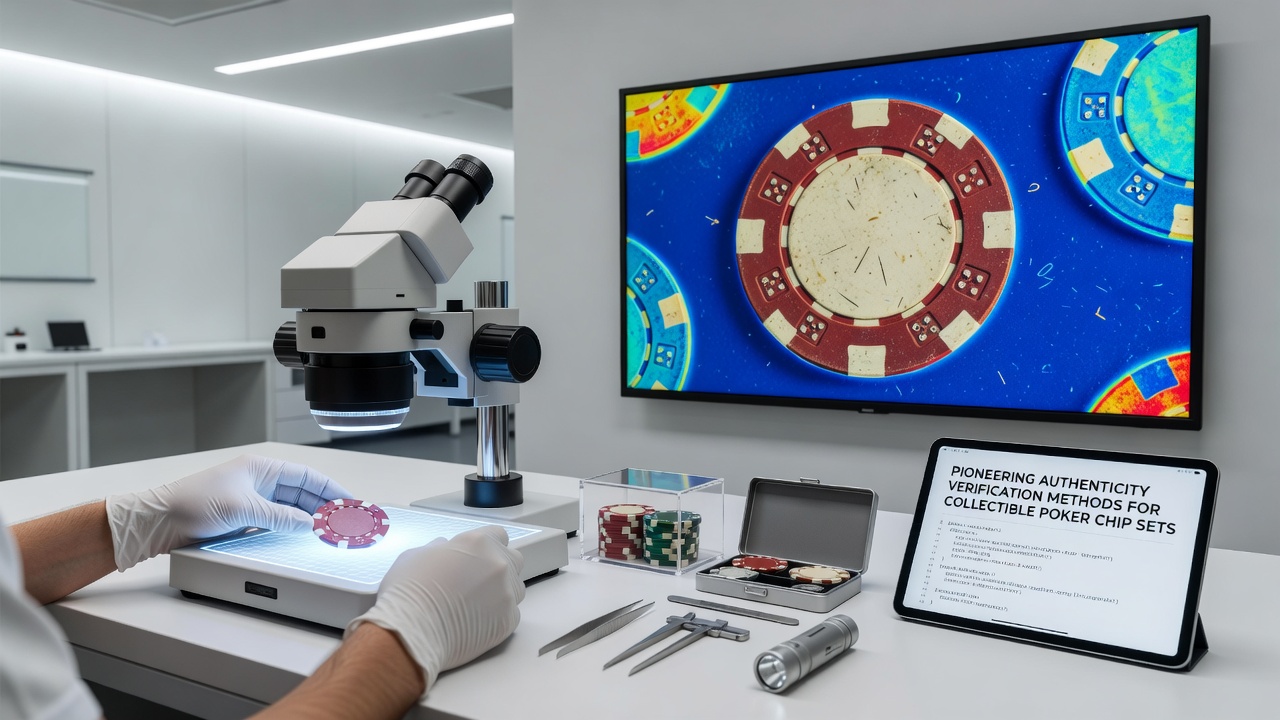
Hyperspectral cameras combined with machine learning algorithms form one leading approach, and data from these systems shows distinct spectral signatures for genuine clay-polymer blends versus the resin-heavy substitutes often found in counterfeits. X-ray computed tomography provides another layer by generating three-dimensional models of chip interiors, where legitimate sets display uniform density patterns and precise molding lines that replicas rarely replicate exactly. Raman spectroscopy adds chemical fingerprinting capabilities, identifying specific additives and colorants through molecular vibration patterns without damaging the chips themselves.
These techniques integrate into portable units that collectors and auction houses deploy at events, while larger facilities maintain dedicated stations for high-volume verification. In July 2026 several North American auction houses began requiring imaging reports for lots valued above certain thresholds, reflecting broader adoption across the secondary market.
Market Applications and Case Examples
One documented instance involved a private collection of mid-century Nevada casino chips where standard examination passed several questionable pieces, yet hyperspectral scans later revealed mismatched dye absorption rates in the hot-stamped denominations. Another case centered on European tournament sets from the 1990s, where tomography exposed internal voids and filler materials absent from authentic production runs documented by the original manufacturer.
Industry groups such as the Casino Chip and Gaming Token Collectors Club have compiled databases of verified spectral profiles, and these resources now feed into shared platforms that speed up cross-referencing during authentication workflows. Academic studies from institutions in Australia and Canada further support the reliability of combined imaging approaches, with published findings indicating detection rates above 95 percent when multiple modalities operate together.
Regulatory and Standards Context
Government agencies tracking cultural property and consumer goods have taken interest in these methods for broader anti-counterfeiting efforts, and the National Institute of Standards and Technology maintains reference materials that help calibrate imaging equipment for consistent results across different laboratories. European research consortia have explored similar protocols for high-value collectibles, producing guidelines that emphasize non-destructive testing sequences starting with lower-energy scans before progressing to spectroscopic methods.
Training programs for authentication specialists now incorporate modules on interpreting imaging outputs, and certification pathways have emerged that combine hands-on equipment operation with database management skills. Supply chain documentation for new limited-edition releases increasingly includes baseline imaging data captured at the point of manufacture, creating reference sets that later verifications can reference directly.
Challenges and Ongoing Developments
Cost remains a factor for smaller collectors, although service bureaus have begun offering tiered pricing that makes core scans accessible without full laboratory access. Interpretation of complex datasets still requires trained personnel, and edge cases involving heavily worn chips or those with legitimate repairs can produce ambiguous readings that demand supplementary historical research. Equipment manufacturers continue refining sensor sensitivity and software interfaces, with recent updates focusing on faster processing times that support on-site evaluations during major conventions.
Integration with blockchain-based provenance records represents an emerging frontier, where imaging hashes link directly to digital certificates that update whenever new verification occurs. This combination reduces reliance on physical paperwork while preserving an auditable trail that multiple parties can review independently.
Conclusion
Advanced imaging techniques have shifted authenticity verification from subjective judgment calls toward measurable, reproducible processes that protect both buyers and sellers in the collectible poker chip market. As adoption widens and reference databases expand, the gap between genuine sets and high-quality replicas becomes increasingly difficult to bridge without detection. Observers tracking these developments note steady progress in equipment portability adn algorithmic accuracy, pointing toward wider accessibility in the years ahead.