Networked Progressive Jackpot Systems Connect Slots Across Multiple Venues
Devon Butler · May 19, 2026
Networked Progressive Jackpot Systems Connect Slots Across Multiple Venues
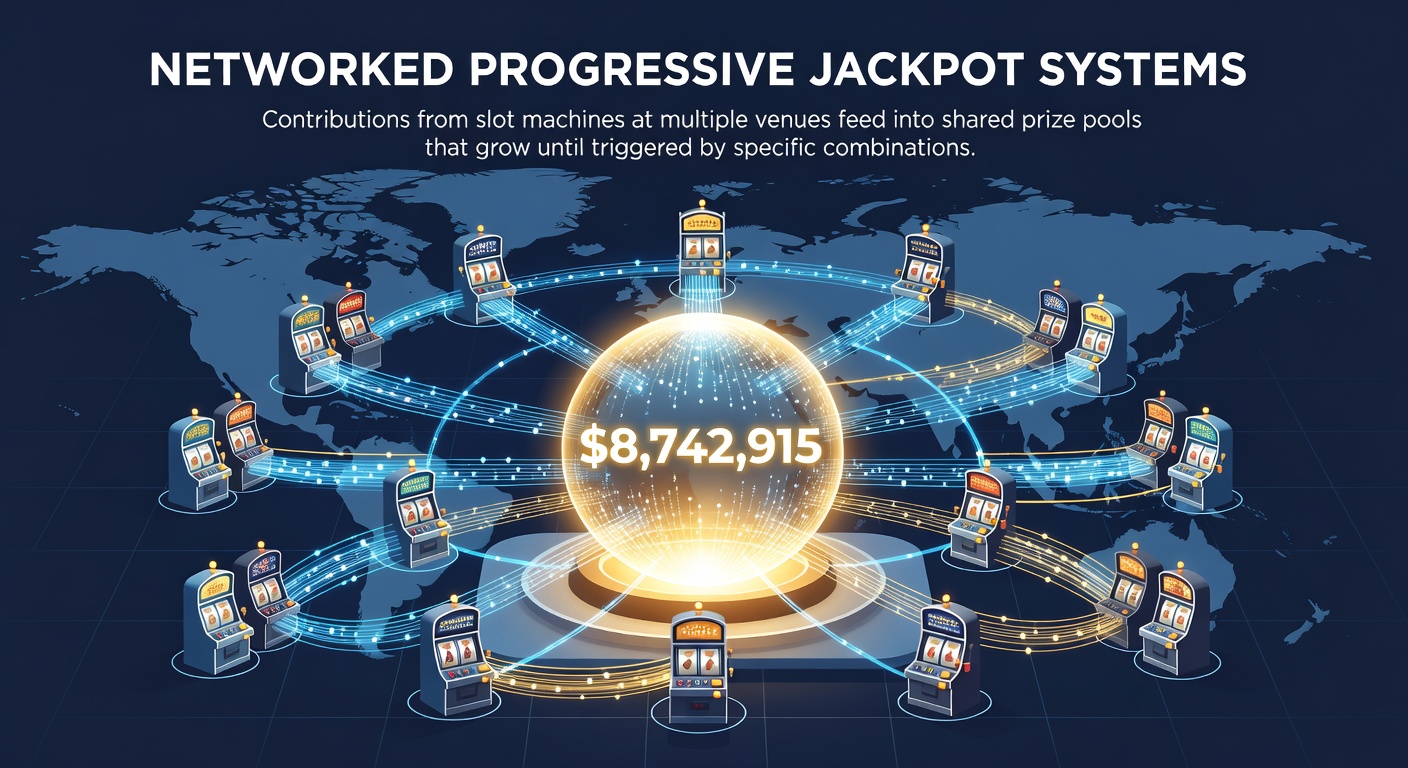
The development of networked progressive jackpot systems traces back to the late 1980s when manufacturers first linked multiple machines within single properties, and by the mid-1990s those connections expanded to include machines across separate casinos. Contributions from each wager flow into centralized pools that accumulate until specific reel combinations trigger payouts, which creates prize amounts that often reach into the millions. Software providers such as IGT and Aristocrat built the underlying platforms that track every coin-in from participating devices, while communications networks transmit data in real time to prevent discrepancies. Operators in Nevada and New Jersey adopted wide-area progressives early because state regulations permitted linked systems under strict oversight, whereas other jurisdictions followed once technical standards proved reliable. Data from the New Jersey Division of Gaming Enforcement shows that linked jackpot contributions accounted for more than 12 percent of total slot revenue by 2005, a figure that continued to rise as new networks formed. Players see escalating meters on overhead displays or digital signs, and the visibility of growing amounts draws additional play that accelerates pool growth.Technical Architecture Behind Shared Prize Pools
Modern networked systems rely on secure servers that collect a percentage of each bet, typically between one and three percent, and allocate those amounts across multiple jackpot tiers. Base games operate independently, yet a secondary random number generator determines when the progressive component activates, and this separation maintains fairness while allowing the shared pool to build. Technicians install encrypted links that connect venues hundreds of miles apart, and daily reconciliation reports verify that every machine reports its contribution accurately. In May 2026 several operators in the Midwest expanded existing networks to include newly opened tribal properties, adding thousands of additional devices to established pools. The integration required updated firmware that handles variable contribution rates across different machine denominations, yet the core metering logic remained unchanged. Observers note that these expansions demonstrate how scalable the original architecture has become since its introduction decades earlier.Regulatory Framework and Compliance Standards
Gaming control boards in multiple regions require independent testing labs to certify that progressive meters cannot be altered remotely and that all contributions reach the prize pool without leakage. Auditors review transaction logs monthly, and any variance triggers immediate investigation. Australian regulators, for instance, mandate that wide-area systems display real-time meter values on public websites so players can verify totals before placing wagers. Canadian provinces that permit linked progressives impose additional requirements for cross-border data transmission when networks span provincial lines. Those rules emerged after early implementations revealed gaps in synchronization, and subsequent upgrades addressed latency issues that once caused brief meter discrepancies. Compliance documentation now includes detailed diagrams of server redundancy and failover procedures that keep systems operational during maintenance windows.