Lumbee Tribe's Referendum Rejects Casino Amendment and Dark Water Resort Plans
Noah Vogel · Jun 30, 2026

Lumbee Tribe's Referendum Rejects Casino Amendment and Dark Water Resort Plans
The Lumbee Tribe in North Carolina conducted a June 2026 referendum in which members voted 62 percent against a constitutional amendment that would have authorized casino gaming and cleared the way for the Dark Water Resort project, and this outcome brings an immediate halt to the entire proposal involving a casino, hotel, golf course plus entertainment complex on more than 240 acres of land purchased along Interstate 95. Tribal leaders responded by scheduling an emergency meeting to examine governance concerns, voting access limitations that restricted participation to members living inside the four-county service area, and strategies for the tribe's economic direction following its federal recognition in December 2025.
Details of the Referendum Process and Outcome
During the June 2026 vote tribal members considered a constitutional change that would have opened the door to gaming operations, yet the final tally showed clear opposition at 62 percent, and this decisive margin prevents any further advancement of the Dark Water Resort development at this time. Observers note the amendment would have enabled a large-scale entertainment destination on the acquired interstate-adjacent property, while the rejection leaves those plans without constitutional backing and shifts focus away from casino-based revenue models.
Leadership Response and Project Implications
Chairman John Lowery stated publicly that he will not revisit gaming proposals during his current term, and this position effectively closes the immediate pathway for casino authorization within the tribe's governance structure. The Dark Water Resort concept, which included integrated facilities for lodging, recreation and entertainment, now faces indefinite suspension because the required constitutional framework failed to gain approval, and tribal officials have begun redirecting attention toward alternative economic approaches that align with the recent federal recognition status achieved in late 2025.
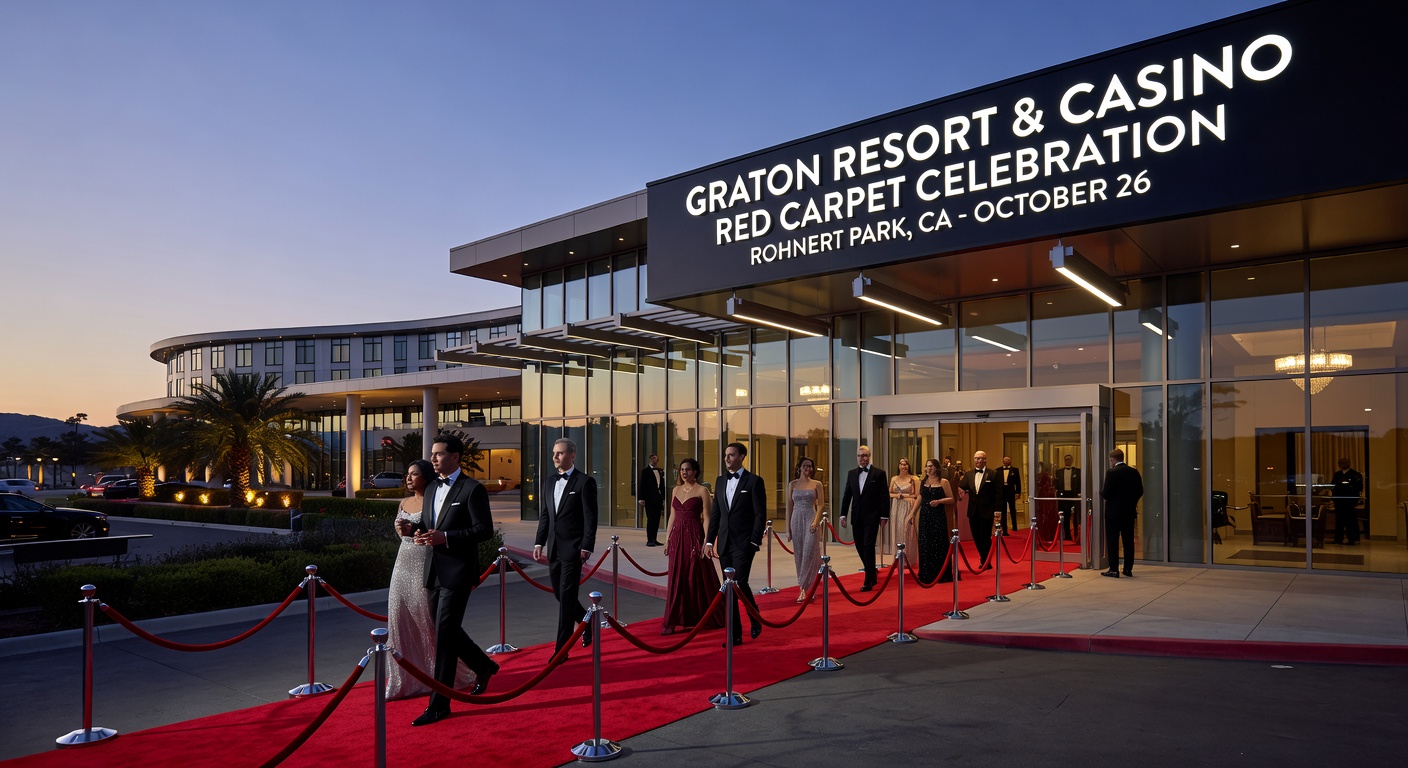
The proposed resort site along Interstate 95 represented a significant land acquisition for the tribe, yet the referendum result means those holdings will not host gaming facilities in the near term, and this development forces a reevaluation of how the property might contribute to long-term community goals without casino infrastructure.
Emergency Meeting and Governance Discussions
Following the vote results tribal leaders convened an emergency meeting to address multiple interconnected issues, including concerns over governance procedures, the restricted voting access that limited participation to residents of the four-county service area, and broader questions about the tribe's economic trajectory after federal recognition. These discussions aim to clarify internal processes and identify viable paths forward that do not rely on gaming authorization, and participants have highlighted the need to ensure equitable participation standards in future decisions that affect all enrolled members.
Economic Future Considerations Post-Recognition
Federal recognition granted in December 2025 opened new avenues for the Lumbee Tribe, yet the referendum outcome redirects efforts away from casino gaming toward other development strategies, and this shift occurs at a moment when the tribe seeks to leverage its status for sustainable growth initiatives. The emergency meeting agenda incorporates planning sessions that explore non-gaming economic opportunities, and those involved emphasize the importance of addressing voting eligibility rules so that future referendums reflect broader member input while maintaining the tribe's established service area framework.
Conclusion
The June 2026 referendum results stand as a defining moment that stops the constitutional amendment and associated Dark Water Resort project, with Chairman Lowery's commitment ensuring gaming stays off the agenda for the remainder of his term, and the subsequent emergency meeting provides a structured forum for tackling governance, voting access and economic planning matters in the wake of federal recognition. According to reports from 500 Nations, these developments reflect ongoing internal adjustments as the tribe navigates its post-recognition landscape without casino expansion.