Lighting Innovations Reshaping Engagement Patterns at Electronic Gaming Terminals Across Global Resorts
Noah Vogel · Aug 16, 2026
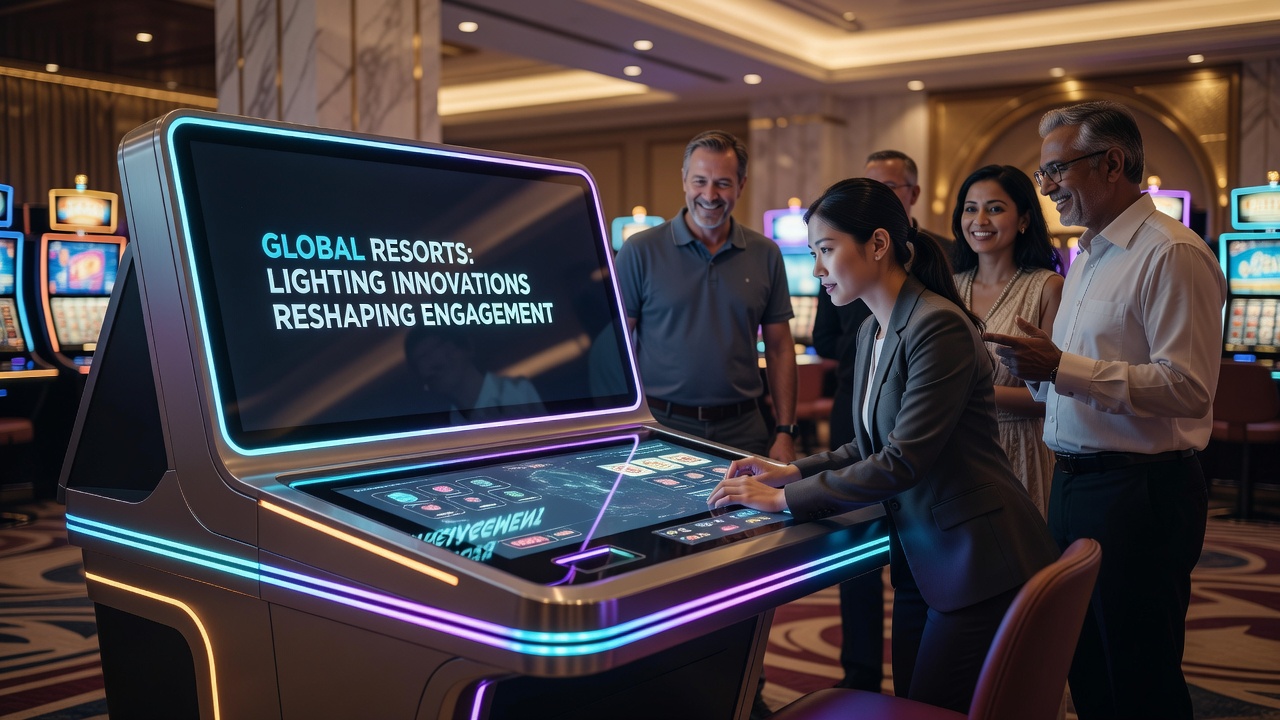
Lighting Innovations Reshaping Engagement Patterns at Electronic Gaming Terminals Across Global Resorts
Electronic gaming terminals have seen steady adoption of advanced lighting technologies in resorts worldwide, and observers note these systems now influence how players interact with machines in measurable ways. Research from multiple jurisdictions shows that programmable LED arrays and synchronized color controls adjust in real time based on occupancy data and session metrics, while integrated sensors track dwell times at individual stations.
Facilities in Las Vegas and Macau began rolling out these upgrades in early 2025, and by August 2026 several properties reported updated specifications that tie lighting sequences directly to player loyalty profiles. Data indicates these adjustments coincide with shifts in average session lengths and machine selection patterns across monitored floors.
Adaptive LED Frameworks in Terminal Design
Manufacturers have incorporated modular LED panels into cabinet frames that allow operators to alter hue, intensity, and pulse rates without hardware swaps. Engineers at major suppliers developed software layers that pull from central management systems, so lighting can respond to floor-wide traffic flows or individual terminal performance logs. One study released through the University of Nevada's International Gaming Institute documented correlations between specific color temperature ranges and changes in wager frequency at sampled terminals.
Resorts in Australia and Singapore have tested similar installations since late 2025, with operators logging adjustments through their existing player tracking platforms. Figures from these deployments reveal that terminals using dynamic lighting sequences maintained higher utilization rates during off-peak hours compared with static configurations in adjacent zones.
Integration with Player Data Systems
Lighting controls now interface with backend databases that store session history and demographic details. When a player inserts a card, the terminal can shift to preset profiles that emphasize warmer tones for extended play or cooler gradients during shorter visits. Casino operators in multiple regions report that these linkages emerged from partnerships between lighting vendors and terminal software providers.
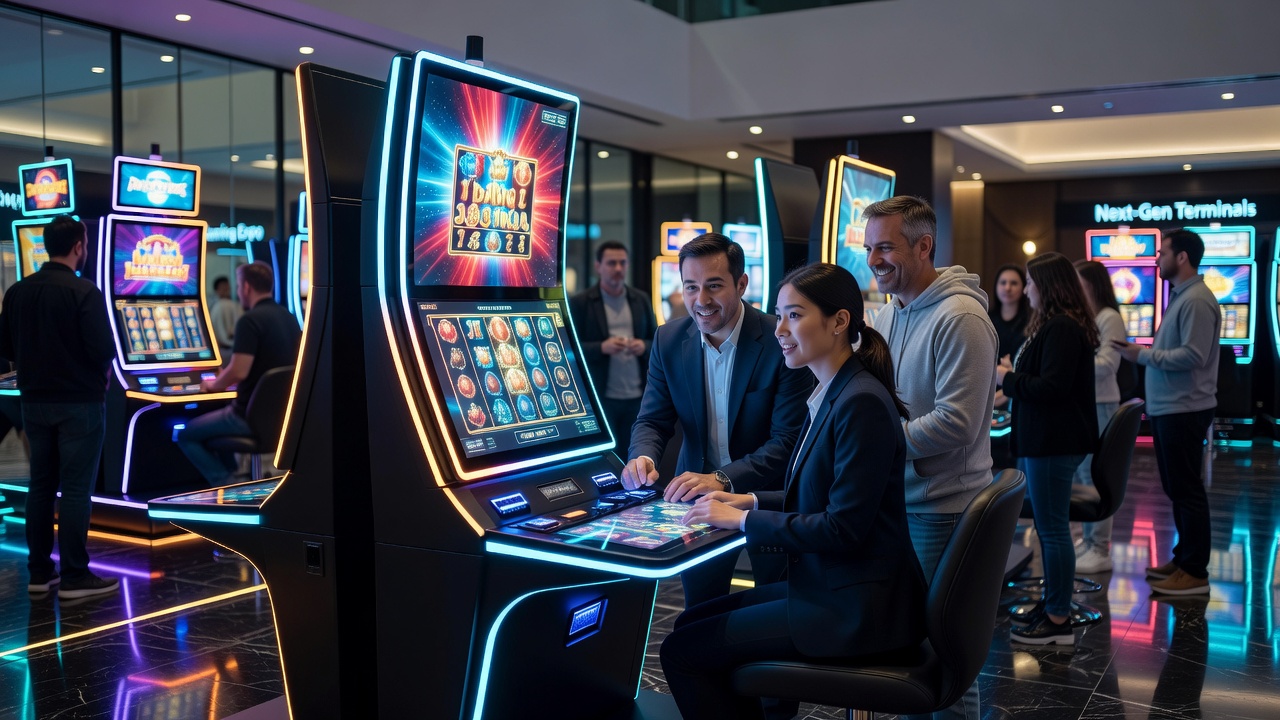
Regulatory filings submitted to Singapore's Casino Regulatory Authority in mid-2026 included descriptions of pilot programs that measured engagement metrics before and after lighting profile activation. Those records show incremental increases in repeat visits among tracked accounts, though analysts attribute part of the movement to concurrent marketing initiatives.
Regional Implementation Patterns
North American properties have leaned toward energy-efficient fixtures that meet updated building codes, whereas Asian integrated resorts have prioritized immersive sequences that align with entertainment zoning. European operators, facing stricter sustainability targets, have focused on low-power LED variants that still deliver variable brightness levels across terminals. A 2026 industry report compiled by the European Gaming and Betting Association highlighted standardized testing protocols now used to verify compliance across these installations.
Technicians in Macau properties completed firmware updates across several thousand terminals by July 2026, and preliminary logs indicated altered peak engagement windows that extended later into overnight periods. Similar timing shifts appeared in data shared by Canadian provincial gaming corporations operating large terminal banks.
Measurement of Behavioral Shifts
Analytics platforms capture metrics such as button press rates, credit insertion intervals, and chair occupancy durations. When lighting changes occur mid-session, operators compare pre- and post-adjustment data sets to isolate effects. Researchers at academic centers affiliated with gaming studies programs have begun publishing anonymized data sets that allow cross-property comparisons, and these compilations show consistent directional trends in dwell time under controlled lighting variations.
Maintenance teams conduct periodic calibration checks to ensure color accuracy remains within specified tolerances, since drift in LED output can affect the intended behavioral cues. Vendors supply diagnostic tools that integrate with existing terminal management software, reducing the need for separate inspection rounds.
Conclusion
Lighting upgrades at electronic gaming terminals continue to expand across resort properties as operators refine connections between hardware controls and operational data streams. Records from regulatory submissions and industry monitoring programs document the pace of adoption through August 2026, while ongoing measurements track how these systems interact with established engagement patterns in diverse markets.