Investigating the Integration of Biometric Verification Systems in Casino Entry Protocols Worldwide
Jakob Vogel · Jun 2, 2026
Investigating the Integration of Biometric Verification Systems in Casino Entry Protocols Worldwide
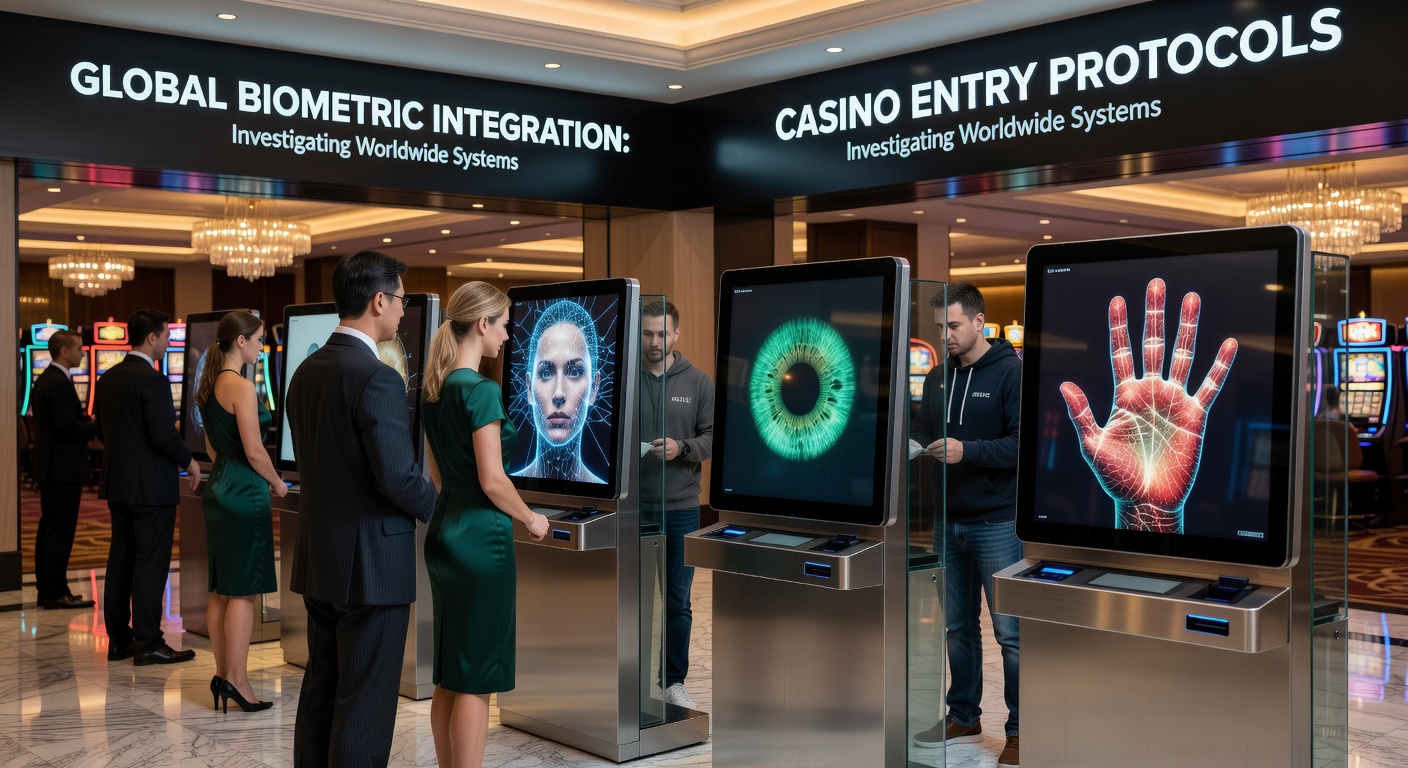
Biometric verification systems have entered casino entry protocols across multiple continents, combining facial recognition, fingerprint scanning, and iris detection to confirm identities at access points, and these technologies align with regulatory requirements for age verification, anti-money laundering compliance, and security enhancements in jurisdictions where gambling operations require strict oversight. Data from industry reports indicate that adoption rates have risen steadily since 2023, with facilities in North America, Asia, and parts of Europe implementing these tools to process entrants more efficiently while meeting legal standards set by local authorities.
Regional Implementation Patterns
North American casinos, particularly those operating under state gaming commissions in Nevada and New Jersey, began integrating biometric entry systems in 2024 to streamline guest verification processes, and figures from regulatory filings show that over 150 venues adopted facial recognition kiosks by early 2026 to cross-check visitor details against watchlists maintained by law enforcement agencies. In contrast, Asian markets such as Macau and Singapore have relied on similar systems since 2022, where operators coordinate with government databases to enforce entry restrictions on individuals flagged for gambling-related issues, creating a network that updates in real time during peak hours.
European facilities outside the United Kingdom have followed suit with fingerprint-based protocols in select Spanish and Italian resorts, while Australian venues incorporated iris scanning at major properties in New South Wales and Victoria after legislative updates in 2025 mandated enhanced identity checks for high-volume gaming floors. Observers note that these implementations often connect to centralized databases managed by bodies like the Australian Transaction Reports and Analysis Centre, allowing operators to flag suspicious patterns without manual intervention at every turnstile.
Technical Components and Data Handling
Modern biometric setups in casinos typically combine multiple modalities, starting with facial recognition cameras that capture images upon approach and match them against stored templates within seconds, followed by optional fingerprint readers for secondary confirmation in high-security zones. Research conducted by academic institutions indicates that error rates for these combined systems have dropped below 0.5 percent in controlled environments, thanks to advancements in machine learning algorithms that account for variations in lighting and facial expressions common in crowded lobbies.
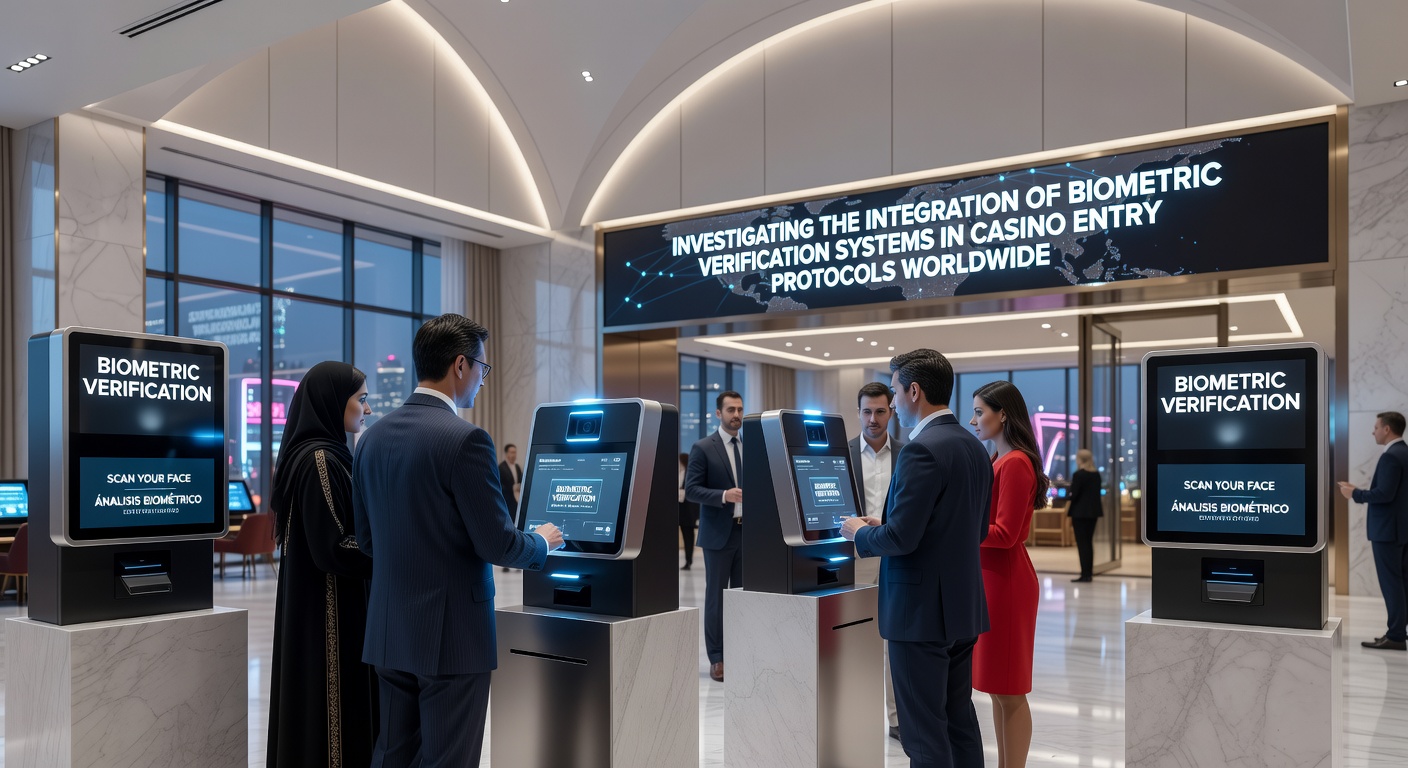
Data storage practices vary by region, with many operators encrypting biometric templates locally before transmitting anonymized metadata to regulatory servers, and this approach satisfies privacy laws in jurisdictions that prohibit full image retention beyond 30 days. Studies from research organizations highlight that such measures reduce unauthorized access attempts by 40 percent compared to traditional ID checks, according to aggregated statistics compiled through 2025.
Regulatory Drivers and Compliance Updates
Government agencies have pushed these integrations through updated rules that tie biometric use to broader anti-money laundering frameworks, and in June 2026 several oversight bodies released guidance encouraging venues to link entry systems directly to transaction monitoring software for seamless reporting. Canadian provincial regulators, for instance, have required biometric enrollment for loyalty program participants at Quebec casinos, creating datasets that help identify patterns associated with problem gambling behaviors.
One study from a Canadian university research team revealed that venues using these protocols processed entry lines 25 percent faster during busy weekends, while maintaining audit trails that satisfy international standards set by financial intelligence units. What's interesting is how these systems also support responsible gambling initiatives by automatically restricting access for self-excluded individuals whose details remain in shared registries across multiple properties.
Challenges in Global Standardization
Despite widespread rollout, differences in data protection regulations create hurdles for operators managing properties in multiple countries, since biometric information classified as sensitive personal data in one region may face stricter export controls elsewhere. Industry associations report that cross-border data sharing agreements have emerged in 2026 to address these gaps, allowing limited exchanges between compliant entities under supervised conditions.
Technical interoperability issues also surface when equipment from different manufacturers processes templates in incompatible formats, leading some chains to standardize on single-vendor solutions that integrate with existing surveillance networks. Those who've examined deployment logs note that training staff on system maintenance remains essential, as calibration drifts can affect accuracy during extended operational periods.
Conclusion
Biometric verification continues to reshape casino entry protocols on a global scale, driven by regulatory mandates and technological improvements that deliver measurable gains in security and efficiency. As of June 2026, ongoing collaborations between operators, governments, and research entities point toward further refinements, including expanded use of contactless modalities and tighter integration with financial monitoring tools. These developments reflect a coordinated response to evolving compliance demands across diverse gaming markets.