How Sound Engineering Teams Calibrate Ambient Audio Tracks for Different Table Game Sections in Large-Scale Casinos
Vera Bauer · Jul 16, 2026
How Sound Engineering Teams Calibrate Ambient Audio Tracks for Different Table Game Sections in Large-Scale Casinos
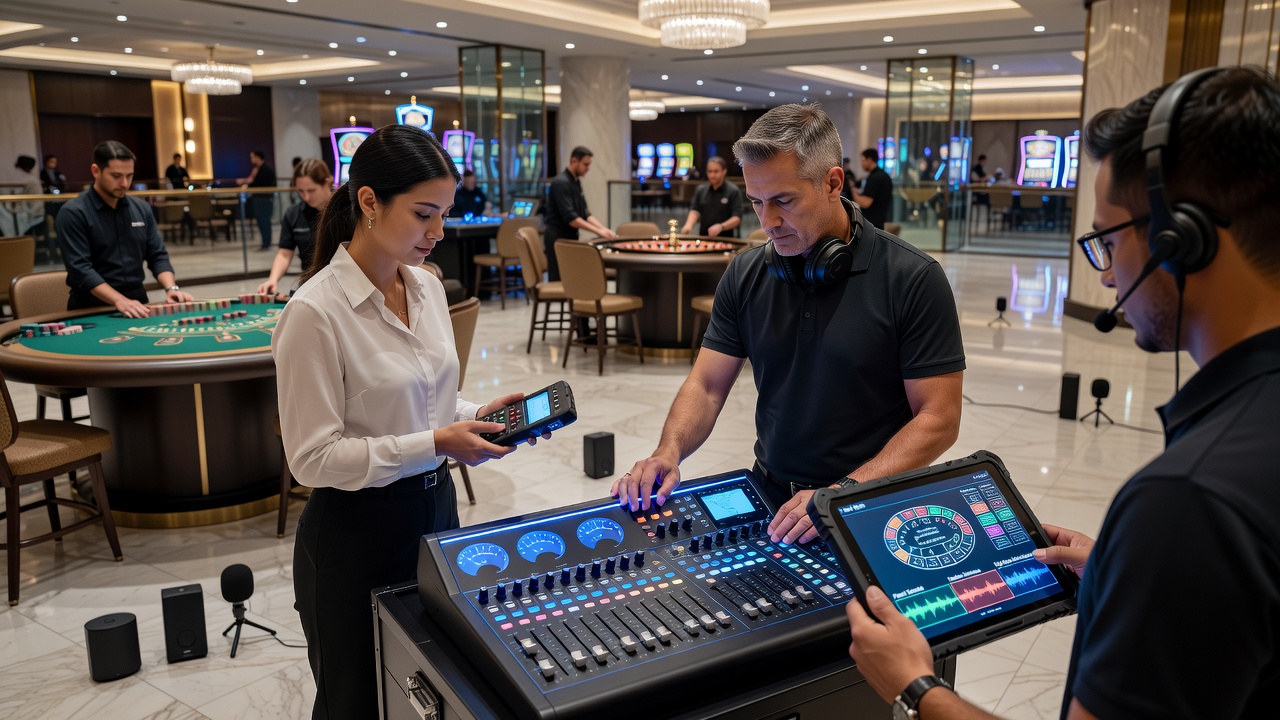
Sound engineering teams approach ambient audio calibration in casino table game areas as a precise technical process that accounts for acoustic properties of each zone, player density patterns, and equipment noise signatures across expansive gaming floors. Large-scale properties divide table sections into distinct acoustic environments where blackjack pits require different audio layering than roulette wheels or poker rooms because the natural sounds generated by chips, cards, and dealer calls interact differently with background tracks.
Zone Mapping and Initial Acoustic Surveys
Engineers begin by conducting detailed acoustic surveys that measure reverberation times, ambient noise floors, and frequency absorption rates in each table game section using calibrated microphones and spectrum analyzers. These surveys identify how architectural elements such as high ceilings in craps areas versus more enclosed poker lounges affect sound propagation. Teams then map speaker placement grids that position line arrays and distributed ceiling speakers to create even coverage without dead zones or hotspots where audio might overpower table conversations.
Data collected during surveys feeds into digital signal processors that allow real-time adjustments to equalization curves tailored for specific games. Blackjack sections often receive boosted mid-range frequencies around 2 to 4 kHz to complement the crisp sounds of card shuffling while maintaining speech intelligibility for players calling hits or stands. Roulette areas require lower frequency emphasis below 200 Hz to mask the mechanical sounds of wheel spins and ball drops without creating muddiness that could interfere with dealer announcements.
Track Selection and Layering Techniques
Ambient audio libraries contain multiple track categories including subtle musical beds, crowd murmur simulations, and environmental textures that engineers blend according to time-of-day patterns and occupancy levels. In July 2026 several major properties updated their calibration protocols following new guidelines from the Nevada Gaming Control Board that emphasized consistent audio levels across multi-game floors. These updates incorporated more granular zoning for high-limit table areas where quieter tracks prevent audio from carrying into adjacent VIP sections.
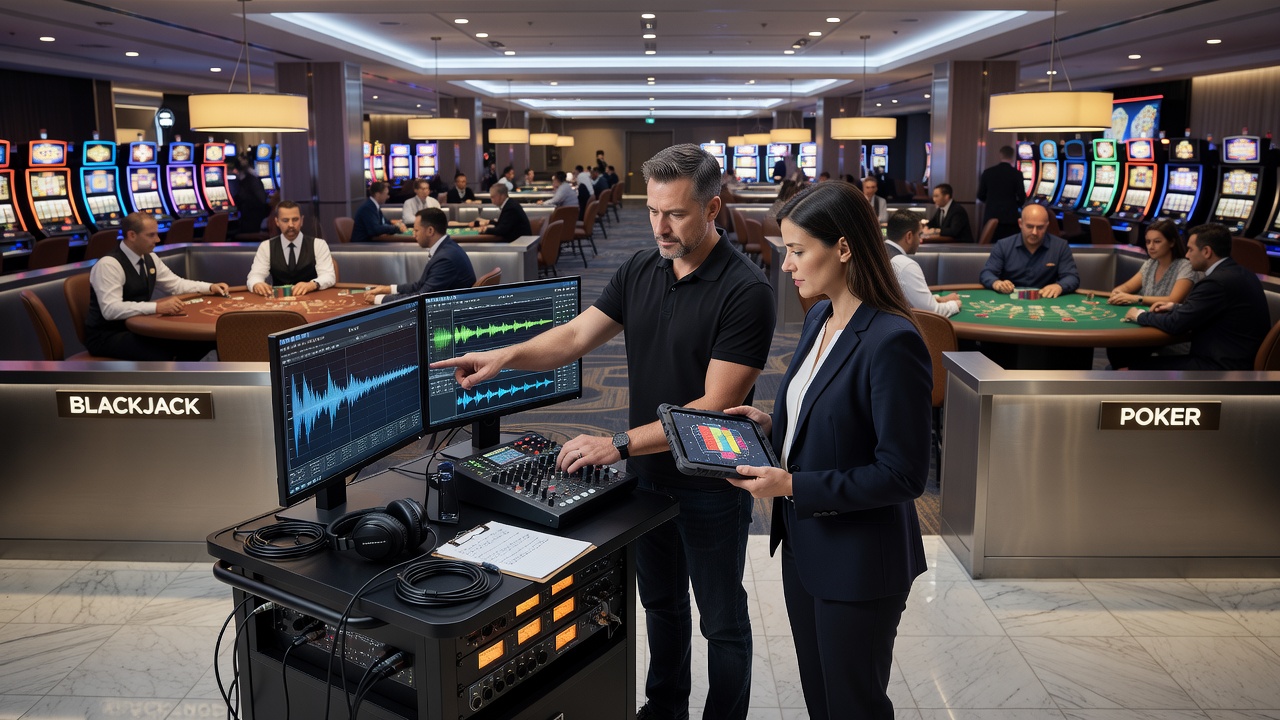
Layering strategies rely on ducking algorithms that automatically lower background music volume when dealer calls reach certain decibel thresholds. Craps tables present particular challenges because of the energetic player interactions and dice sounds so engineers program dynamic compression that preserves excitement while preventing audio buildup that could fatigue staff working extended shifts. Poker rooms typically use the most restrained tracks with longer fade times between segments to support concentration during extended hands.
Equipment Calibration and Real-Time Monitoring
Calibration sessions involve setting limiter thresholds on amplifiers to cap peak levels at 78 decibels in most table game zones while allowing brief excursions up to 82 decibels during high-energy moments such as blackjack tournaments. Teams test these settings during simulated peak hours using recorded crowd samples and actual dealer teams to verify that audio remains supportive rather than intrusive. Wireless monitoring systems allow engineers to walk the floor with tablet interfaces that display live SPL readings from multiple zones simultaneously.
Maintenance routines include weekly verification of speaker alignment and monthly recalibration of DSP presets to account for seasonal changes in HVAC operation that alter room acoustics. Properties in humid climates adjust low-frequency content more frequently because moisture absorption affects bass response in carpeted gaming areas. Integration with building management systems enables audio levels to respond automatically to lighting changes that signal shift transitions or special events.
Integration With Other Casino Systems
Modern calibration processes connect audio systems to player tracking databases and table occupancy sensors so that track intensity scales with the number of active games rather than fixed schedules. This approach prevents under- or over-auditing during unexpected traffic spikes. Research conducted at institutions including the Royal Melbourne Institute of Technology has examined how synchronized audio-visual cues influence dwell time at table games and engineering teams apply similar principles when syncing ambient tracks with digital signage in high-limit salons.
Security considerations also influence calibration because audio systems must avoid masking alarm signals or creating interference with two-way radio communications used by floor supervisors. Engineers coordinate with IT departments to ensure that IP-based audio distribution networks maintain low latency across multi-acre properties without packet loss that could cause audible glitches during live dealer calls.
Conclusion
Sound engineering calibration for casino table game sections combines acoustic measurement, software control, and ongoing operational adjustments to maintain consistent auditory environments across diverse game types. The process continues evolving with advances in sensor technology and regulatory expectations that require precise documentation of audio levels throughout operating hours. Properties that invest in these systems report measurable improvements in both staff communication clarity and overall floor flow as audio supports rather than competes with the core gaming experience.