How AI Predictive Models Optimize Table Game Staffing During Peak Hours at Integrated Resorts in the Asia-Pacific Region
Drew Butler · Jul 28, 2026
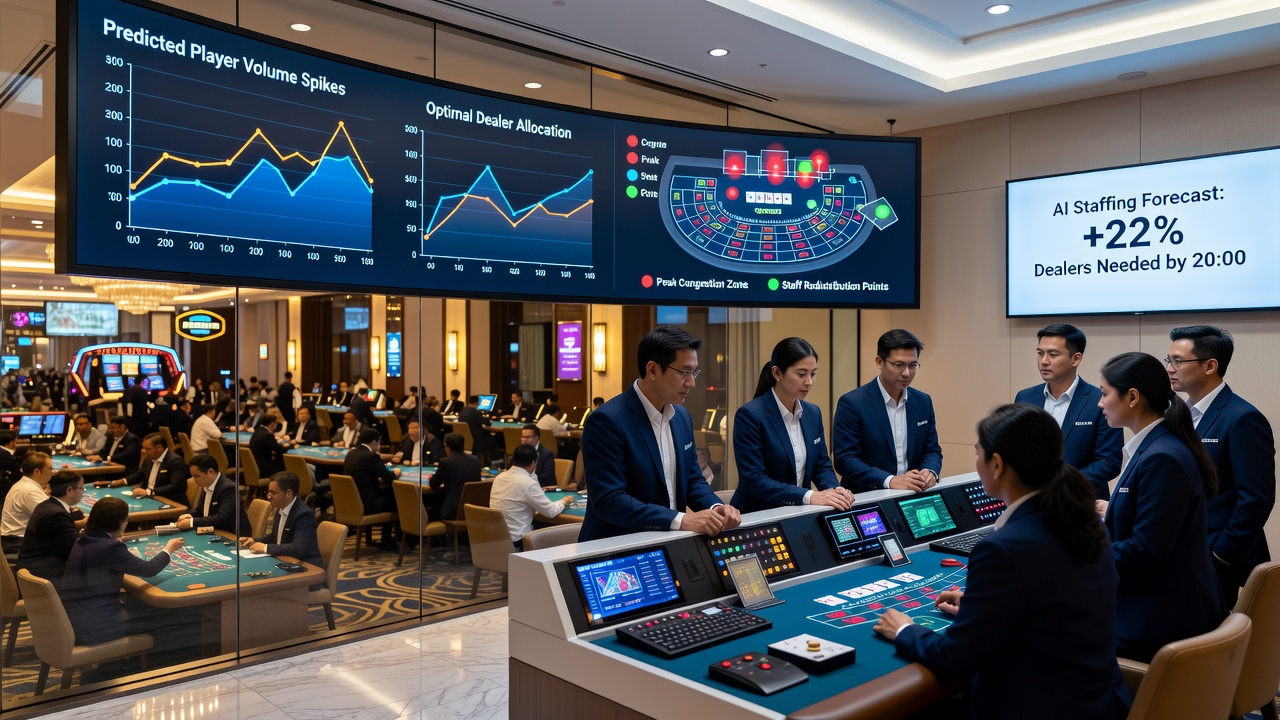
How AI Predictive Models Optimize Table Game Staffing During Peak Hours at Integrated Resorts in the Asia-Pacific Region
Integrated resorts across the Asia-Pacific region rely on AI predictive models to match table game staffing with fluctuating demand during peak periods, and these systems draw from multiple data streams including historical visitor flows, event schedules, and sensor inputs from gaming floors. Operators in Macau, Singapore, and Australia have integrated these tools into daily operations, where algorithms process patterns to forecast the number of active tables and required dealers hours in advance.
Data Inputs Driving Predictive Accuracy
Models ingest structured datasets that encompass past foot traffic records, weather conditions affecting arrivals, flight schedules into major hubs, and promotional calendars at competing properties. Real-time feeds from RFID-enabled tables and camera systems supplement these inputs, allowing adjustments as crowds build or dissipate. Researchers at institutions such as Nanyang Technological University have documented how combining these variables reduces overstaffing by aligning shift starts with projected table openings rather than fixed rosters.
Peak hours at properties like Marina Bay Sands or Wynn Palace typically cluster around evening windows and holiday periods, yet traditional scheduling often left tables idle or under-dealt. AI systems counter this by generating probabilistic forecasts that update every fifteen minutes, feeding directly into workforce management platforms used by human resources teams.
Implementation Across Key Markets
In Macau, several integrated resorts began scaling these models in early 2025, with further refinements reported through July 2026 as new sensor networks came online. The approach allows managers to open additional baccarat or sic bo tables only when predicted occupancy crosses defined thresholds, while simultaneously calling in part-time dealers from standby pools. Data from the Macao Gaming Inspection and Coordination Bureau shows measurable alignment between forecasted and actual table utilization rates during this period.
Singapore operators have adopted similar frameworks, linking predictive outputs to automated shift bidding systems that let dealers select preferred blocks based on anticipated demand. This integration supports compliance with local labor regulations that cap consecutive hours on the floor. Australian resorts in Melbourne and Perth have tested parallel solutions focused on blackjack and roulette sections, where visitor demographics shift rapidly on weekends.
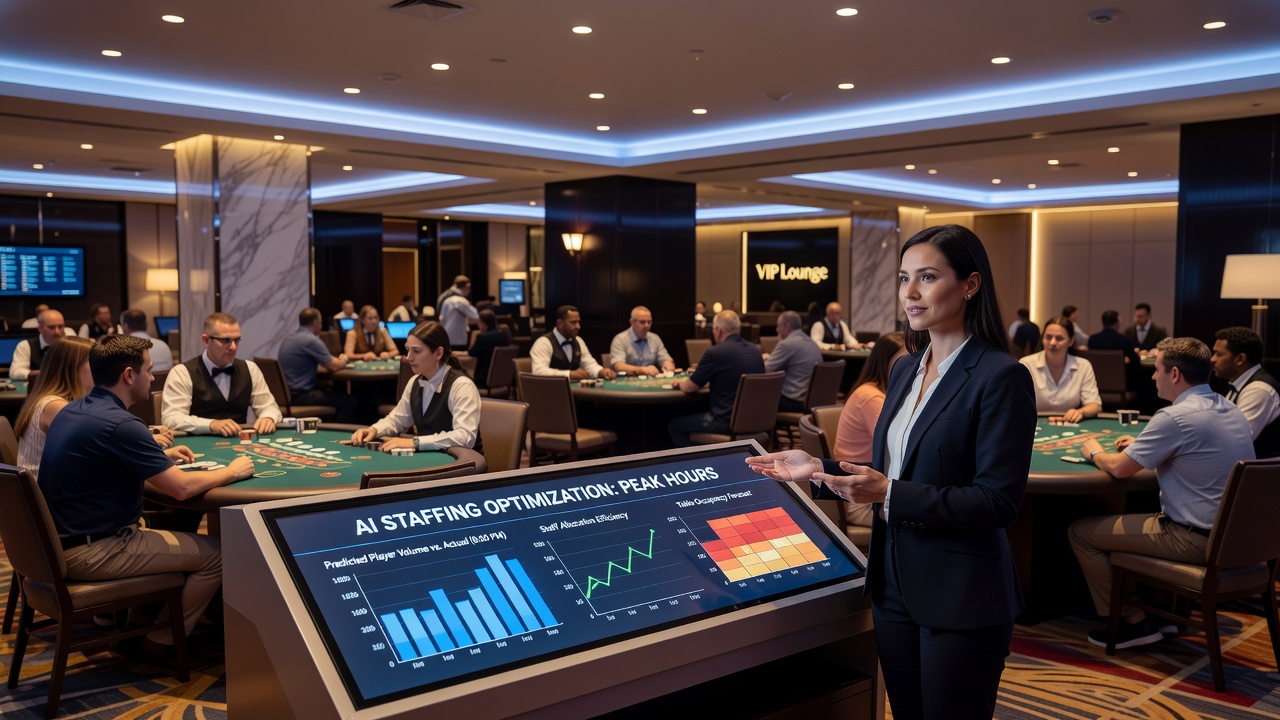
Operational Adjustments and Outcomes
Once forecasts are generated, staffing software translates them into actionable rosters that account for dealer certifications, language skills, and break requirements. Supervisors receive alerts when actual table counts diverge from projections, prompting quick reallocation of available personnel. Observers note that this closed-loop process cuts response times from over an hour under manual planning to under twenty minutes in live environments.
Training programs for dealers in the region have evolved alongside these tools, incorporating modules on interpreting AI alerts and escalating anomalies the models flag as outside normal variance. Resorts report that cross-training staff across game types further amplifies the flexibility these predictions enable during sudden surges.
Technical Architecture and Refinement Cycles
Most deployed systems combine gradient-boosted decision trees with recurrent neural networks to capture both long-term seasonal trends and short-term spikes. Weekly retraining cycles incorporate the latest floor data, while quarterly audits compare model outputs against realized outcomes to tune hyperparameters. Industry reports from the Asia Pacific Gaming Association highlight that properties maintaining these cycles achieve tighter staffing margins without compromising service levels during high-volume windows.
Integration with existing property management systems occurs through secure APIs that preserve data privacy standards mandated by regional regulators. External vendors often supply the core algorithms, yet on-site data science teams customize weighting factors for local variables such as typhoon-related flight disruptions or major sporting events broadcast in nearby lounges.
Conclusion
AI predictive models have become embedded in table game operations at Asia-Pacific integrated resorts by converting diverse data sources into actionable staffing guidance that matches supply with peak-hour demand. Continued refinement of these systems, supported by ongoing data collection and regional regulatory oversight, sustains their role in day-to-day floor management across Macau, Singapore, and Australian markets.