Exploring Regulatory Adaptations for AI-Driven Risk Assessment Tools in International Wagering Networks
Noah Vogel · Jun 23, 2026
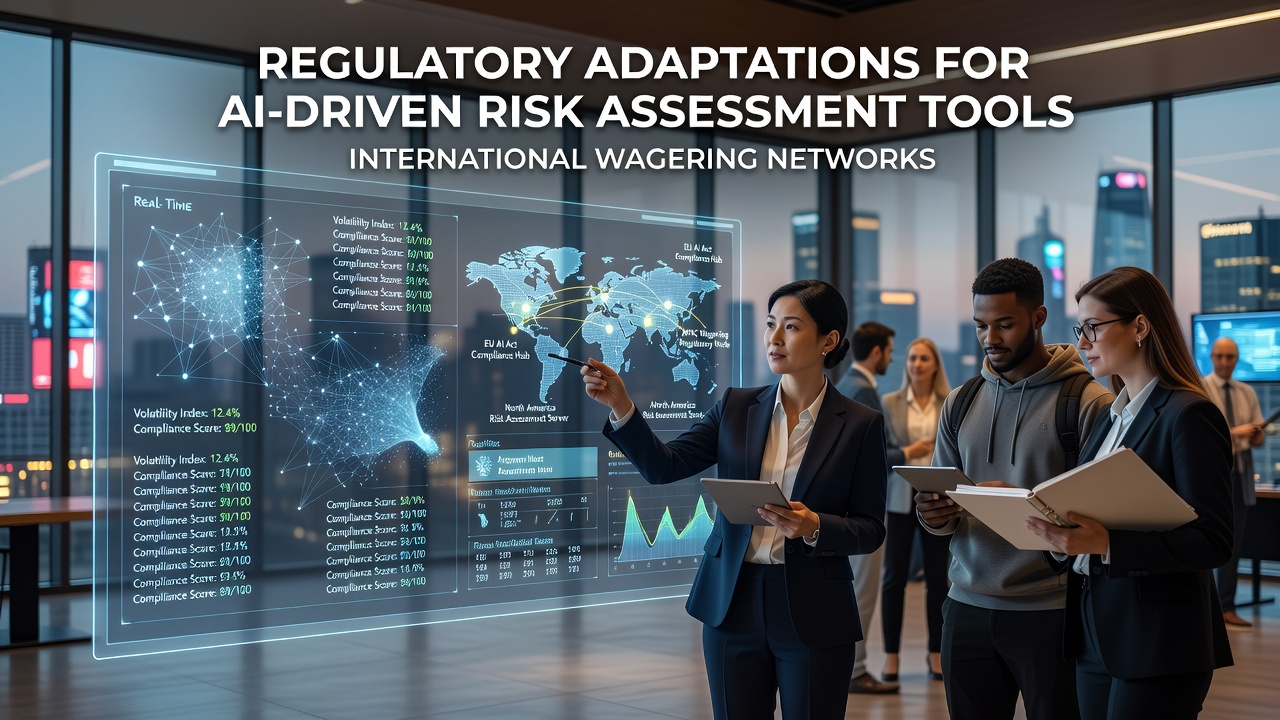
Exploring Regulatory Adaptations for AI-Driven Risk Assessment Tools in International Wagering Networks
International wagering networks have integrated AI-driven risk assessment tools to monitor transactions, detect anomalies, and support compliance with anti-money laundering requirements across multiple jurisdictions. These systems analyze patterns in betting volumes, account behaviors, and cross-border fund movements while regulators update frameworks to address the technology's expanding role.
Data from industry reports shows that operators in Europe, Asia, and North America deployed such tools at increasing rates between 2024 and 2026, prompting coordinated responses from oversight bodies. In June 2026 several agencies released updated guidance documents that outline testing protocols and transparency obligations for AI models used in real-time wagering oversight.
AI Applications in Wagering Risk Management
AI systems evaluate credit risk, identify potential fraud, and flag unusual activity that may indicate money laundering within international betting platforms. Machine learning models process large datasets from player accounts, payment processors, and betting histories to generate risk scores that inform decisions on account restrictions or enhanced due diligence.
Those who've studied these implementations note that the models often incorporate natural language processing to review customer communications and transaction notes. Research indicates that integration with blockchain analytics tools has become common in networks handling cryptocurrency wagers, allowing regulators to trace fund flows across decentralized ledgers.
Regulatory Responses Across Regions
Authorities in Australia have required operators to submit validation reports for AI tools used in customer risk profiling, according to AUSTRAC guidelines updated in early 2026. Similar measures appear in Canadian provincial frameworks where gaming commissions now mandate periodic audits of algorithmic decision-making processes.
European regulators have incorporated AI-specific provisions into broader digital finance rules, requiring operators to document training data sources and bias mitigation steps. Observers note that these adaptations aim to maintain consistent enforcement while permitting technological advancement in cross-border wagering networks.
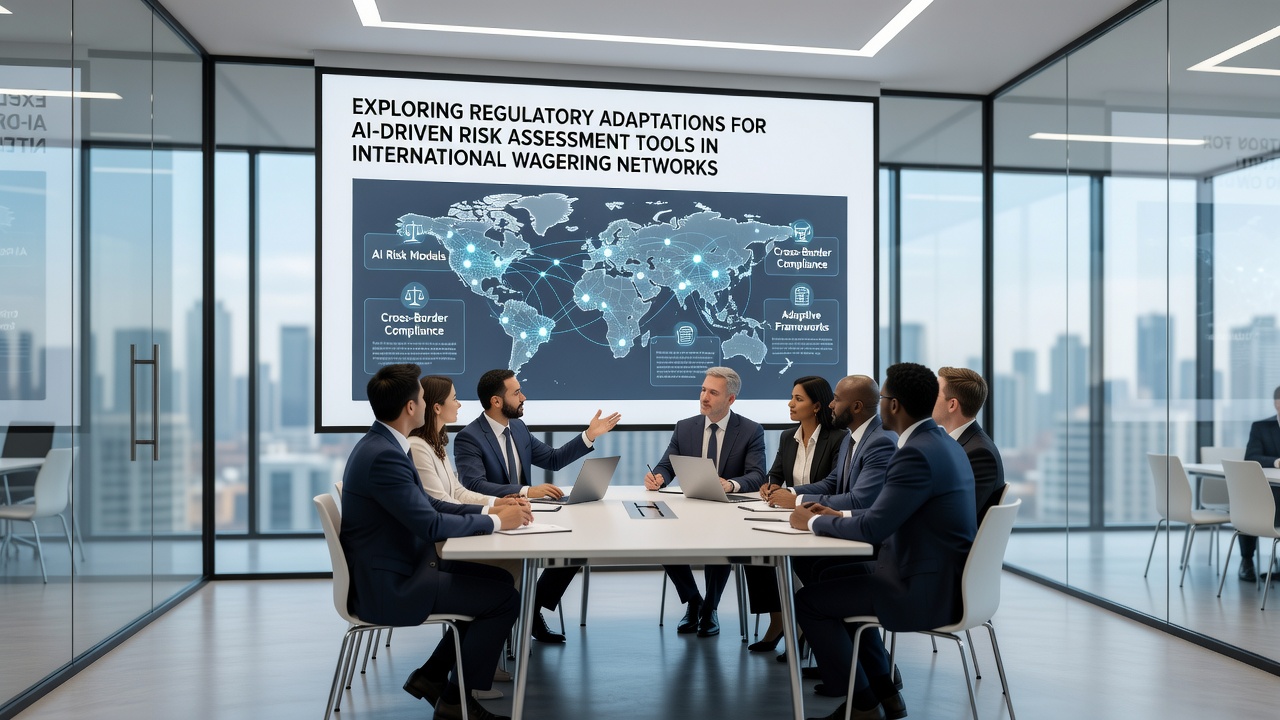
Challenges in Cross-Border Implementation
Differences in data protection standards create obstacles when AI systems transfer player information between jurisdictions with varying privacy rules. Operators must reconcile conflicting requirements on model explainability and record retention periods while maintaining system performance across time zones.
Figures from regulatory filings reveal that some networks experienced delays in tool deployment after agencies requested additional documentation on how algorithms handle edge cases involving high-volume international bettors. Industry associations have organized working groups to develop shared testing methodologies that satisfy multiple oversight bodies simultaneously.
Academic studies published in 2025 examined the accuracy of AI risk predictions in live wagering environments and found variations based on the diversity of training datasets used by different vendors. Regulators have responded by requesting evidence that models remain effective when applied to new market segments or emerging bet types.
Future Directions for Oversight
Discussions at international forums in mid-2026 focused on establishing mutual recognition agreements for AI tool certifications, which could reduce duplication in compliance efforts. Participants explored standardized metrics for measuring false positive rates and the impact of model updates on ongoing risk assessments.
Technical working papers from research institutions emphasize the need for continuous monitoring mechanisms that detect performance drift in AI systems after initial deployment. These recommendations align with existing practices in financial services and have begun appearing in draft wagering regulations in several Asia-Pacific markets.
Conclusion
Regulatory adaptations continue to evolve alongside advances in AI capabilities for wagering risk assessment. Jurisdictions have introduced documentation, auditing, and transparency requirements that address both the benefits and limitations of these tools in international networks. Ongoing collaboration among regulators, operators, and researchers shapes the standards that will govern future implementations.