Exploring Quantum Random Number Generators in Online Slot Systems and Their Regulatory Compliance Standards
Vera Bauer · Jul 7, 2026
Exploring Quantum Random Number Generators in Online Slot Systems and Their Regulatory Compliance Standards
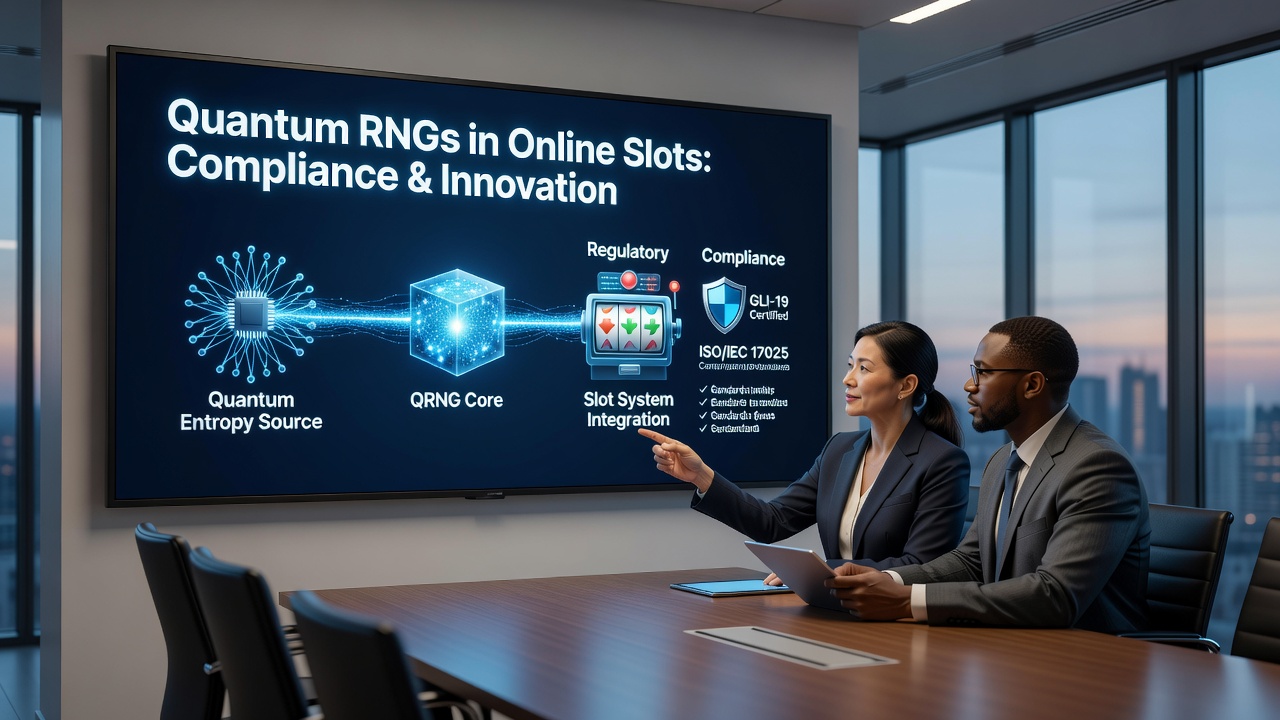
Quantum random number generators have started appearing in online slot platforms as operators seek stronger guarantees of unpredictability in game outcomes. These systems draw on quantum physics principles such as photon polarization or vacuum fluctuations to produce sequences that classical algorithms cannot replicate exactly. Research from institutions including the University of Waterloo shows that quantum sources can pass statistical test suites at rates exceeding 99.999 percent when calibrated correctly.
Core Technology Behind Quantum RNG
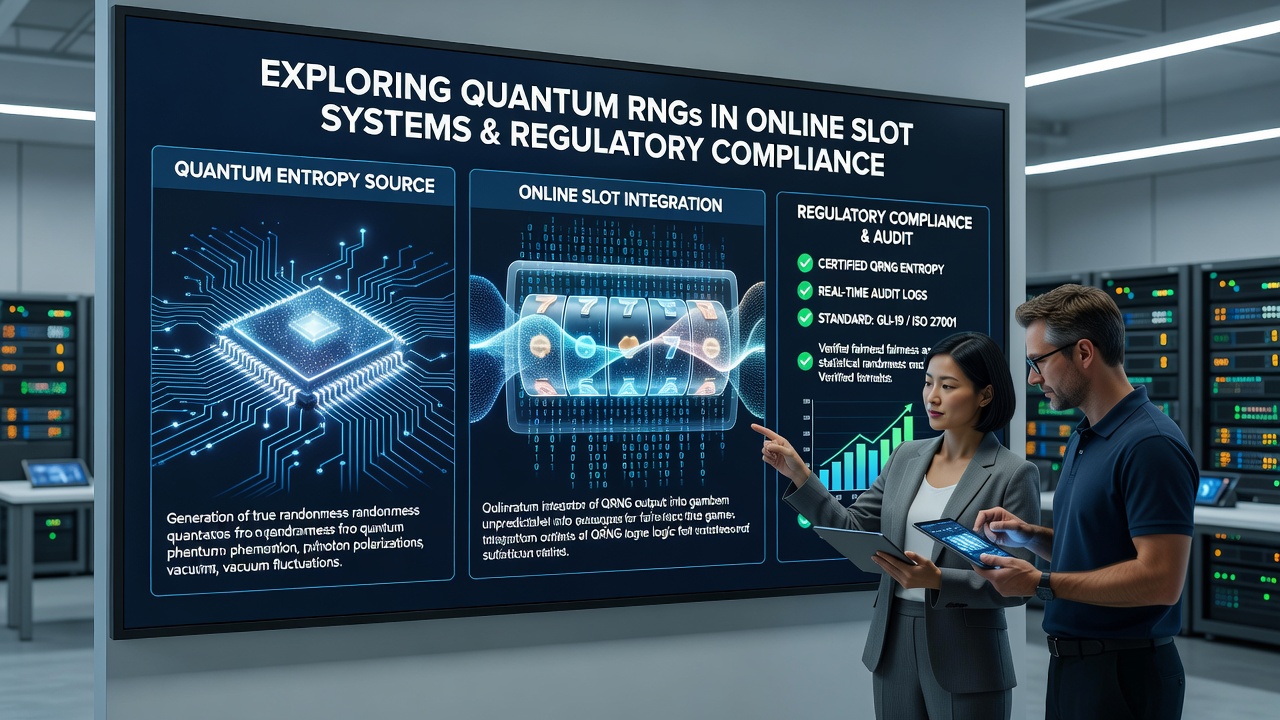
Traditional pseudo-random number generators rely on mathematical seeds and deterministic functions while quantum versions measure physical events that remain inherently probabilistic even under complete observation. Engineers integrate these devices through hardware modules connected to game servers via secure interfaces that feed entropy directly into slot reel mapping routines. Data from the National Institute of Standards and Technology indicates that certified quantum modules maintain output entropy above 0.999 bits per bit across continuous operation periods exceeding 10,000 hours.
Integration Patterns in Slot Platforms
Developers embed quantum RNG outputs into the core game loop so each spin request pulls fresh values without caching long sequences that could become vulnerable. Several major platforms now route calls through API endpoints that authenticate both the requesting game instance and the quantum source before delivering results. This architecture reduces latency to under 15 milliseconds in most deployments while satisfying the continuous verification requirements found in multiple licensing jurisdictions.
Regulatory Requirements Across Jurisdictions
The Nevada Gaming Control Board updated its technical standards in early 2026 to include explicit provisions for quantum entropy sources in remote gaming systems. Similar language appears in directives issued by the New Jersey Division of Gaming Enforcement and the Alcohol and Gaming Commission of Ontario. Each framework requires third-party laboratory evaluation that covers source calibration, entropy estimation, and resistance to side-channel attacks before any deployment receives approval.
Testing protocols typically demand evaluation against the NIST SP 800-90B recommendations plus additional quantum-specific criteria such as measurement uncertainty bounds and photon detection efficiency thresholds. Laboratories must submit raw sample sets exceeding one billion bits for statistical analysis before issuing compliance certificates that remain valid for twelve months.
Compliance Verification Processes in July 2026
During July 2026 several operators completed recertification cycles that incorporated updated quantum RNG modules. Auditors examined live traffic logs alongside hardware certificates to confirm that entropy sources continued meeting minimum quality thresholds under production loads. Regulators in Australia’s Northern Territory and the Isle of Man both published guidance clarifying that quantum devices fall under existing random number generator rules yet require supplementary documentation on quantum measurement calibration intervals.
Industry Standards and Testing Bodies
Organizations such as the European Gaming and Betting Association have circulated draft position papers that align quantum RNG specifications with ISO/IEC 17025 laboratory accreditation requirements. These documents emphasize traceability of calibration standards back to national metrology institutes. Operators report that adopting these aligned standards has shortened approval timelines by approximately 30 percent in jurisdictions that accept mutual recognition agreements.
Operational Challenges and Monitoring
Quantum modules require controlled environmental conditions including stable temperature and electromagnetic shielding to maintain consistent output quality. Monitoring systems track parameters such as detector dark counts and laser stability in real time, triggering alerts when values drift beyond predefined tolerances. Continuous logging of these metrics forms part of the audit trail demanded by most licensing authorities.
Conclusion
Quantum random number generators continue moving from experimental status to production use in online slot environments under increasingly defined regulatory frameworks. Compliance hinges on documented entropy quality, laboratory certification, and ongoing operational monitoring that aligns with standards issued by bodies across North America, Europe, and Australia. As of July 2026 the pattern shows steady expansion of approved deployments supported by clearer technical guidelines and mutual recognition pathways between testing laboratories.