Data Analytics Systems Guide Casino Operators in Refining Floor Layouts for Mixed Game Formats Across International Resorts
Vera Bauer · Jun 18, 2026
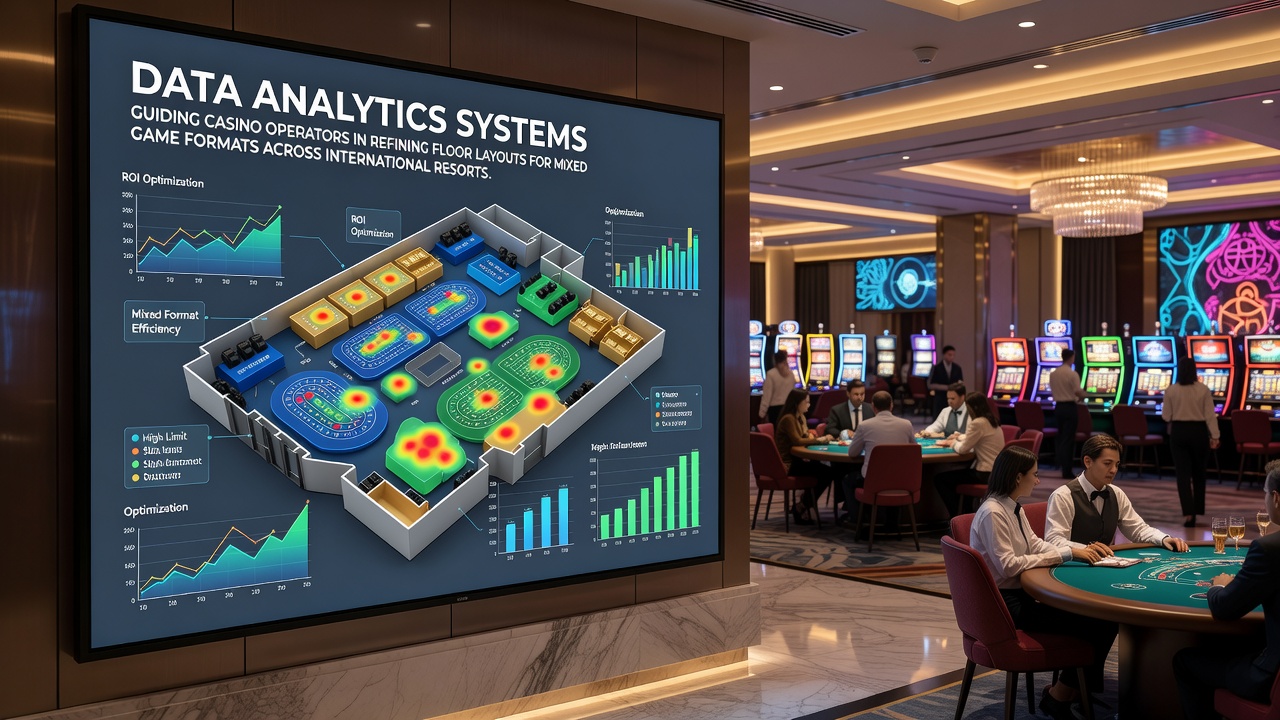
Data Analytics Systems Guide Casino Operators in Refining Floor Layouts for Mixed Game Formats Across International Resorts
Data analytics systems now help casino operators adjust floor layouts for mixed game formats in resorts from Las Vegas to Macau and Singapore, where slots sit alongside table games, poker rooms, and electronic variants. These platforms process real-time player movement data, game performance metrics, and revenue figures to suggest optimal placements that balance high-traffic areas with quieter zones for different player preferences.
Core Components of Analytics-Driven Layout Planning
Operators collect information from floor sensors, loyalty program cards, and transaction logs, then feed the inputs into algorithms that map traffic density during peak and off-peak hours. One system might track how long players linger near blackjack tables versus video poker terminals, revealing patterns that indicate whether certain game clusters need expansion or relocation. Research from the University of Nevada, Reno's gaming studies division shows that such modeling reduces average walking distance between popular attractions by up to 18 percent in large properties.
Heat mapping tools highlight zones where mixed-format clusters perform best, such as grouping electronic roulette with nearby slot banks to capture crossover traffic from table-game enthusiasts. Systems also factor in regulatory spacing requirements that vary by jurisdiction, ensuring compliance while maximizing square footage efficiency.
Adaptations for Mixed Game Formats
Mixed game environments combine live dealer tables, electronic table games, and traditional slots within single sections, requiring layouts that prevent bottlenecks at high-engagement stations. Analytics platforms simulate multiple configurations before any physical changes occur, testing variables like sightlines to progressive jackpot displays or proximity to food and beverage outlets. Data from properties in Atlantic City and Melbourne demonstrate that repositioning poker areas closer to sportsbooks can increase combined session times by measurable margins.
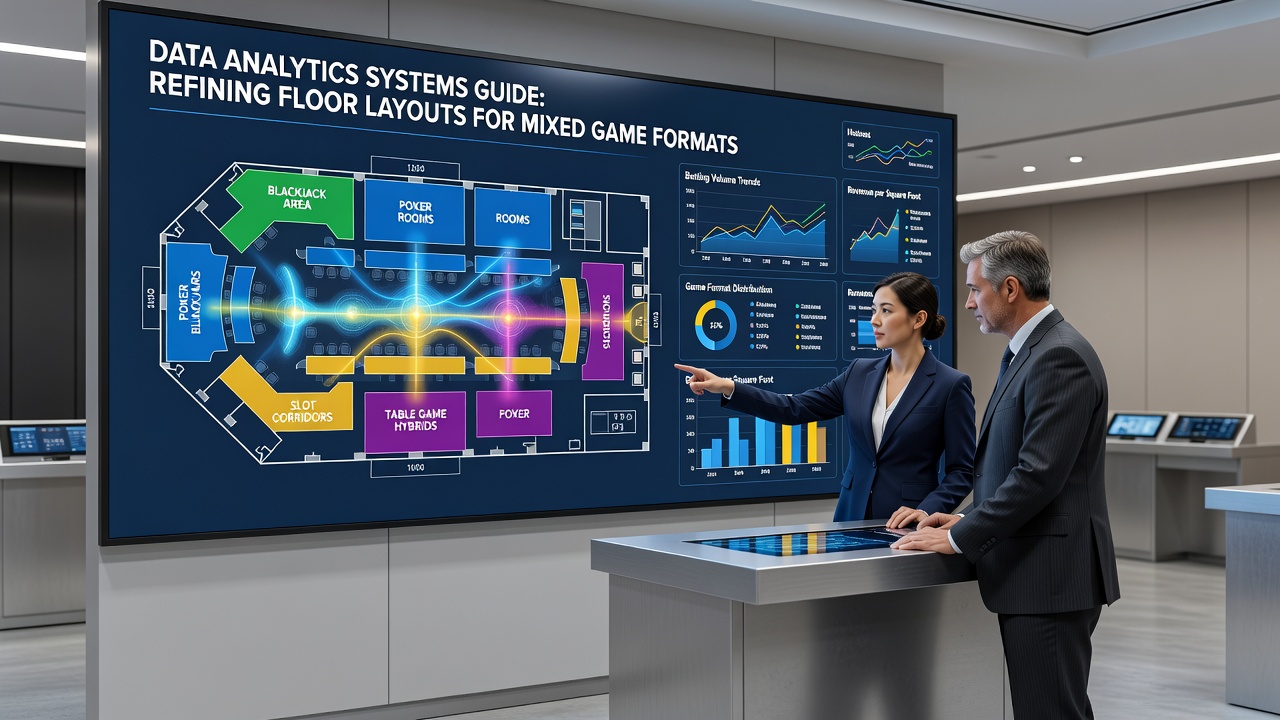
Seasonal adjustments receive particular attention, with systems incorporating historical visitation data tied to holidays or major events. In June 2026, several Asian integrated resorts applied updated models ahead of regional tourism surges, shifting certain electronic baccarat terminals toward entrances while moving high-limit slots into more secluded sections based on predicted demographic shifts.
Global Implementation Examples
Resorts in Canada and Australia have integrated these tools with existing surveillance networks to monitor compliance alongside layout performance. A Canadian provincial gaming authority report noted that analytics-guided rearrangements in two major facilities led to a 12 percent rise in table-game utilization without additional staffing. European operators, drawing on frameworks from the Malta Gaming Authority, apply similar techniques to multi-floor properties where space constraints demand precise zoning for mixed formats.
What's interesting is how these systems handle cross-border differences in game popularity, such as higher demand for certain Asian table games in North American properties catering to international visitors. Algorithms adjust recommendations accordingly, using anonymized data sets that respect local privacy regulations.
Technological Integration and Data Sources
Modern platforms pull from multiple streams including RFID chip tracking, camera-based people counters, and point-of-sale systems. Integration with property management software allows operators to correlate layout changes with hotel occupancy rates and marketing campaigns. The American Gaming Association has published industry benchmarks showing that properties using advanced analytics report steadier revenue per available square foot across mixed game sections.
Training for staff focuses on interpreting dashboard outputs rather than manual observation alone, enabling quicker responses to emerging patterns like sudden spikes in a particular game type during specific time windows.
Challenges in Deployment
Legacy properties sometimes face hurdles when retrofitting sensor networks into older structures, while newer builds incorporate these capabilities from the design stage. Data quality remains essential, as incomplete inputs can skew layout suggestions away from actual player behavior. Observers note that successful implementations combine automated recommendations with on-site expertise from floor managers who understand nuances the systems may overlook.
Conclusion
Data analytics systems continue to shape how international casino operators refine floor layouts for mixed game formats by turning raw operational data into actionable spatial decisions. As resorts in diverse regions adopt these approaches, measurable improvements in player flow and game utilization emerge from the evidence. Continued refinement of these tools promises further alignment between layout strategies and evolving player preferences across global markets.