Behind the Scenes of Training Programs for Dealers Handling International Clientele in Macau's Integrated Resorts
Devon Butler · Jun 9, 2026
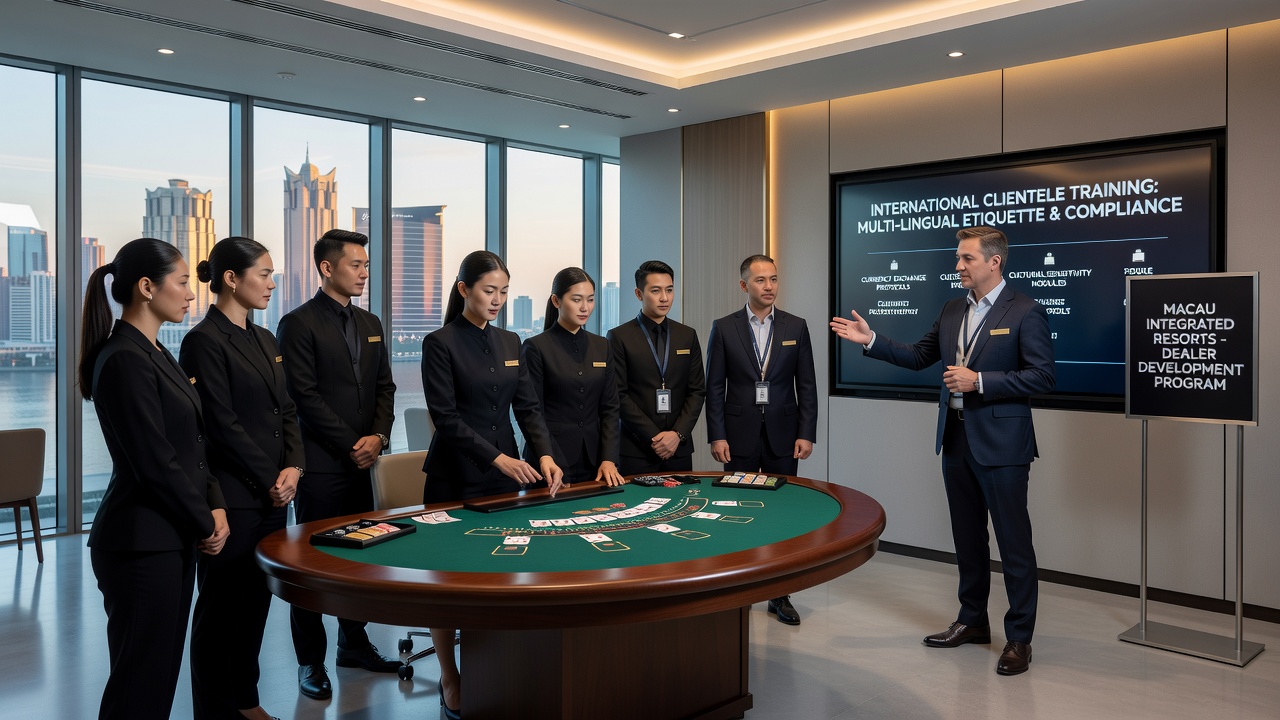
Behind the Scenes of Training Programs for Dealers Handling International Clientele in Macau's Integrated Resorts
Training programs for dealers in Macau's integrated resorts focus on preparing staff to manage diverse international clientele from regions including mainland China, Southeast Asia, Europe, and North America, and these initiatives combine language instruction with cultural awareness modules alongside technical gaming proficiency. Resorts such as those operated by Sands China and MGM China run structured curricula that last several weeks, where participants engage in daily sessions covering baccarat variations popular among Asian high rollers and blackjack rules adjusted for European preferences, while data from the Macau Gaming Inspection and Coordination Bureau indicates that over 5,000 dealers received certification in advanced customer protocols during the first half of 2026.
Language and Cultural Adaptation Modules
Programs emphasize multilingual capabilities because dealers often interact with players who speak Mandarin, Cantonese, English, Korean, Japanese, and Portuguese, so instructors use immersion techniques where trainees practice real-time translation during mock table scenarios that replicate high-stakes environments. Cultural sensitivity training forms a core component, and sessions cover etiquette differences such as avoiding direct eye contact with certain East Asian clients or understanding the significance of gift exchanges in Southeast Asian gaming customs, which helps reduce misunderstandings and maintains smooth operations on the floor. Observers note that these modules draw from case studies compiled by resort human resources teams, where past interactions with international visitors highlight the need for adaptive communication styles that respect varying social hierarchies and tipping expectations across cultures.
Technical Skills and Regulatory Compliance Integration
Dealers undergo intensive practice with game-specific techniques tailored to international preferences, including continuous shuffling machine operations for multi-deck blackjack favored by Western players and side bet calculations common in regional baccarat variants, while role-playing exercises incorporate live actors portraying different nationalities to simulate pressure situations like disputes over payouts or requests for private salon transfers. Regulatory elements receive equal attention because Macau's legal framework requires adherence to anti-money laundering standards and responsible gaming guidelines, and trainers incorporate updates from the June 2026 regulatory briefings that introduced enhanced verification procedures for cross-border transactions, ensuring staff can identify and report suspicious activities without disrupting gameplay flow.
Simulation Facilities and Ongoing Assessment
Behind the scenes, training centers feature dedicated simulation rooms equipped with replica gaming tables, surveillance systems, and multilingual audio setups that allow supervisors to review performance metrics such as accuracy rates in chip handling and response times to client inquiries. Assessment occurs through periodic evaluations where dealers demonstrate proficiency in handling scenarios involving VIP clients from specific regions, and feedback loops incorporate data analytics to track improvements over the course of the program. Research from hospitality studies at the University of Macau reveals that participants who complete these integrated modules show measurable gains in retention of procedural knowledge compared to those trained solely through traditional classroom methods.
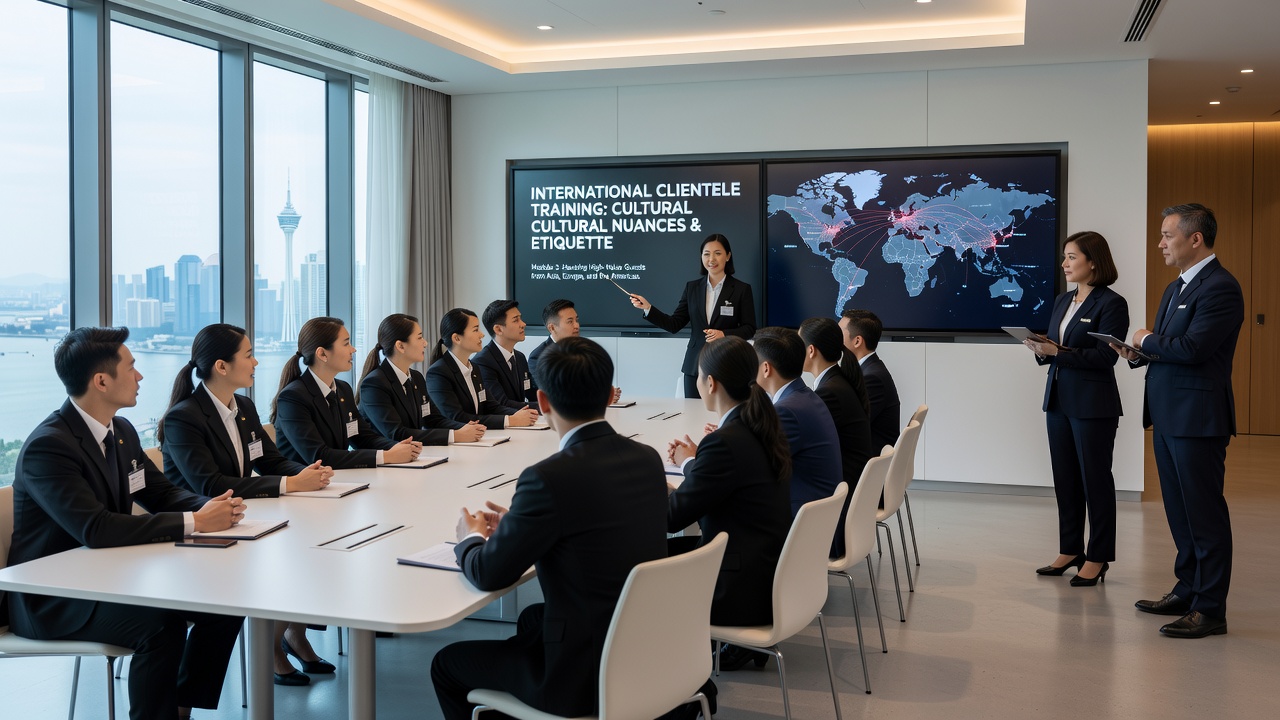
Collaboration with External Partners and Industry Trends
Resorts frequently partner with specialized training providers and international gaming consultants to refresh content based on evolving client demographics, and sessions in mid-2026 incorporated insights from reports by the Asian Gaming Association that documented shifts in player origins following post-pandemic travel recoveries. These collaborations allow programs to address emerging needs such as digital payment integrations preferred by younger international visitors or accommodations for accessibility requirements among European clientele, while maintaining alignment with local labor regulations that mandate ongoing professional development for licensed dealers. What's interesting is how these partnerships create feedback channels where floor supervisors relay real-time observations back to curriculum designers, enabling rapid adjustments to training scenarios that reflect current table dynamics across multiple properties.
Conclusion
Overall, the training infrastructure supporting dealers in Macau's integrated resorts operates as a multifaceted system that balances technical expertise with interpersonal adaptability to serve a global client base, and ongoing refinements ensure alignment with both regulatory expectations and market changes observed through 2026. Data shows that such comprehensive approaches contribute to operational consistency across the sector, where staff readiness directly influences service delivery in environments handling high volumes of international traffic.